
10 Best Tub Strainers for Bathroom Drains?

Time:2026-10-29 Author:Charlotte
0%

A slow-draining tub can turn a relaxing bath into a cleanup chore, especially when hair collects around the drain. A well-chosen Tub Strainer helps catch debris before it travels farther into the plumbing. But the right choice depends on more than appearance. Drain opening size, stopper style, and tub design all affect fit. Small parts matter.

This guide to the 10 best tub strainers for bathroom drains compares practical features, including material, installation method, cleaning ease, and water flow. Some models sit over the drain, while others fit inside it or work with a stopper. Check the product’s measurements against your drain before buying; a universal-fit label does not guarantee a secure match. Stainless steel may resist rust, while silicone can offer a flexible grip, but either material still needs regular cleaning. That trade-off matters.

A strainer should catch common debris without making ordinary bathing inconvenient. Fine openings may trap more hair, yet they can also collect soap residue and need frequent rinsing. No design is perfect. The recommendations focus on everyday usability and clear compatibility details, not on promises that any accessory will prevent every clog. Compare how each option fits your tub, how easily it lifts out, and how often you are willing to clean it. Those small checks can make the difference between a useful bathroom upgrade and another item that does not fit.
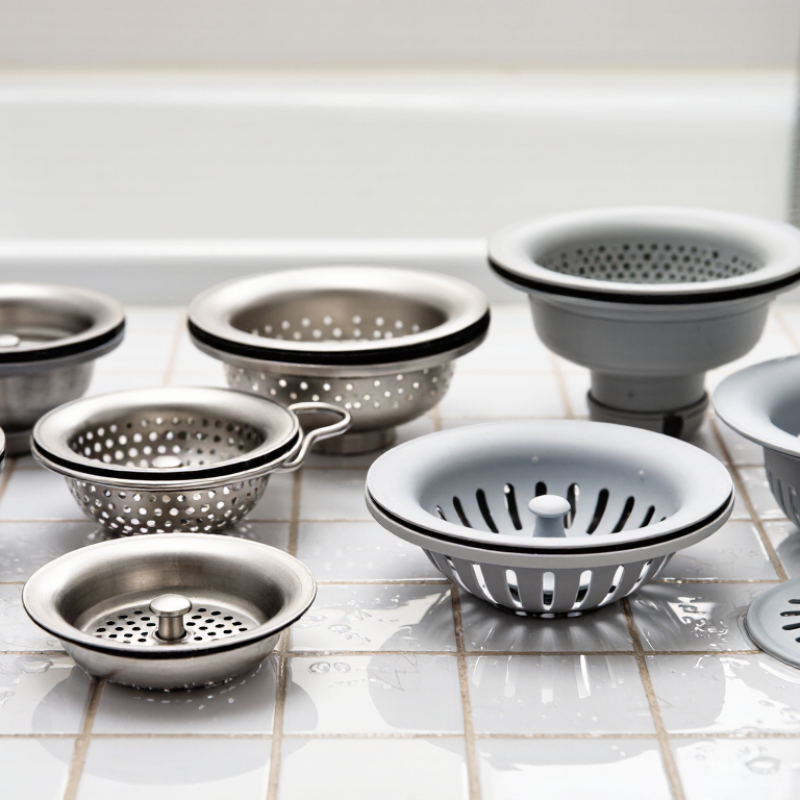
10 Best Tub Strainers for Bathroom Drains?

What a Bathroom Tub Strainer Does and How It Works

A bathroom tub strainer sits over or inside the drain opening. It catches hair, lint, and small debris before they enter the plumbing. Small openings let bathwater pass while holding back larger particles. Some designs lift out for cleaning; others work with a stopper that opens and closes the drain. The exact setup depends on the tub’s drain style. That matters.

As water drains, debris gathers on the strainer’s surface or in its basket. When flow slows, lift the removable part and clear it over a bin. Rinse it, then check the drain opening for residue. A strainer can reduce common blockages, but it cannot catch everything or fix a deeper pipe problem. If water still pools after cleaning, the obstruction may be farther down the line. Fit is important: a loose or undersized piece may let hair slip around its edge.

Tips: Measure the drain opening before buying. Choose a model that can be removed without tools, and clean it regularly. Avoid forcing a piece that rocks or does not sit flat.

Common Types of Tub Strainers and Their Key Features

Tub strainers generally fall into two groups: simple hair-catching screens and drain stoppers with a straining function. A flat, perforated screen sits over the drain and catches loose hair before it enters the pipe. It is easy to lift out and rinse. A removable basket-style strainer holds more debris, but its raised edge may feel noticeable underfoot. Small details matter. Look for smooth edges and corrosion-resistant metal or durable molded material.

Stopper-style designs combine water control with debris screening. Lift-and-turn models open or close with a small twist, while push-pull and toe-touch styles operate by pressing or lifting the stopper. These can keep the tub looking uncluttered. They also have moving parts that may need cleaning or adjustment over time. A hair catcher is not always built into the stopper, so check the design rather than assuming it is. Fit matters, too. Drain openings and overflow linkages vary, and a poorly matched stopper may leak or fail to seal. Measure the drain and check the existing mechanism before choosing. A simple screen is less elegant, perhaps, but it is often easier to inspect. No design catches everything. Regular rinsing still helps prevent buildup.

10 Best Tub Strainers for Bathroom Drains? - Common Types of Tub Strainers and Their Key Features

Type How It Works Key Features Best Suited For Considerations
1. Flat snap-in hair catcher Sits over the drain opening and catches hair as water passes through. Simple to lift out; usually requires no tools; available in flexible or rigid designs. Drains with an accessible, compatible opening and users who want easy cleanup. Measure the opening and check that the catcher does not interfere with the stopper.
2. Silicone dome hair catcher A flexible dome rests over the drain; raised slots or openings allow water to flow while trapping hair. Soft, removable, and generally easy to rinse clean; may sit securely on smooth surfaces. Households looking for a removable, surface-mounted hair catcher. Fit and grip vary with drain shape, surface condition, and water flow.
3. Basket-style drain insert A perforated cup or basket fits into or over a compatible drain to collect hair and debris. Holds collected debris in one place; can be lifted out for cleaning. Drains designed to accept a removable insert or basket. Check diameter, depth, and stopper clearance before choosing one.
4. Mesh drain screen A fine perforated or woven screen covers the drain and catches smaller strands of hair. Fine openings can capture more small debris than a coarse grate; removable for rinsing. Users who prioritize fine hair capture and are willing to clean the screen regularly. Fine screens may slow drainage sooner as hair and soap residue collect.
5. Screw-in drain strainer Attaches to a compatible threaded drain fitting and provides a fixed perforated surface. Can stay in place during use; offers a more integrated appearance than a loose catcher. Drains with matching threads and dimensions. Thread patterns and drain assemblies differ; confirm compatibility before installation.
6. Crossbar-compatible strainer Fits a drain with a crossbar or center fitting, depending on the design, and allows water through surrounding openings. Can work with certain existing drain configurations without replacing the full drain assembly. Tubs whose drain has the matching crossbar or attachment point. Not a universal fit; inspect the drain structure and measure before ordering.
7. Lift-and-turn stopper with strainer openings Turns to raise or lower the stopper; openings in the assembly allow drainage when open and may catch larger debris. Combines a water-holding stopper with a drain cover in one assembly. Replacing or maintaining a compatible lift-and-turn tub drain. Primarily a stopper, not a fine hair catcher; assembly styles and fittings vary.
8. Toe-touch stopper with strainer openings Opens and closes when pressed with a foot; some designs include openings around the stopper. Convenient hands-free operation; combines a stopper mechanism and drain cover. Compatible drains where convenient push-to-operate stopping is preferred. Hair can collect around the mechanism; it may not capture fine strands as effectively as a dedicated catcher.
9. Push-pull stopper with strainer openings A manually raised or lowered stopper controls whether the tub holds water or drains. Straightforward operation and a relatively simple stopper design. Tubs fitted for a compatible push-pull stopper assembly. It is mainly a water stopper; use a separate hair catcher if finer debris control is needed.
10. Trip-lever drain strainer assembly A lever on the overflow plate operates an internal linkage or plunger to open and close the drain. Operates from the overflow area; the drain opening can remain visually clear. Tubs already equipped with a compatible trip-lever mechanism. The linkage or plunger is inside the drain and is not a surface hair screen; service access and fit matter.

Note: Drain openings, threads, stopper mechanisms, and clearances vary. Measure the drain and check the existing stopper style before selecting a strainer. Stopper assemblies control water flow; a dedicated hair catcher is generally more suitable for trapping loose hair.

How to Choose a Tub Strainer for Your Drain

Choosing a tub strainer starts with the drain opening and stopper style. Measure the opening’s inside diameter, not the outer flange. Check for crossbars, internal threads, or a lift-and-turn stopper. The strainer must fit without preventing the stopper from working. “Universal fit” is not a measurement. Older tubs can have worn threads or unusual dimensions, so a quick visual check may not be enough.

Tips: Remove the existing stopper and clear away soap residue before measuring. Compare the strainer’s dimensions with the drain, and check that its holes allow water to flow freely. A snug fit matters. If the parts still seem incompatible, pause before forcing them.

Material and maintenance matter, too. Stainless steel and corrosion-resistant finishes can handle regular splashes, while a removable basket makes hair easier to clear. Look for smooth edges that won’t catch on a cloth or scratch the tub. A fine mesh can catch more debris, but it may need more frequent cleaning. There is a trade-off. Drain designs vary, and even careful measurements may not reveal every mismatch; check the fit gently before using the tub.

10 Best Tub Strainers for Bathroom Drains

A good tub strainer should catch hair without slowing the water to a crawl. For most bathrooms, a stainless-steel basket strainer offers a sturdy, easy-to-rinse option. Silicone models can sit snugly over some drains, while plastic versions are light and inexpensive. Fit matters more than appearance: measure the drain opening and check whether the strainer must sit inside it or cover it. A loose edge can let hair slip through.

Some tubs have a pop-up stopper, so a flat cover may block normal operation. Check the stopper style before buying. Look for smooth edges, drainage openings that are easy to clear, and materials that tolerate regular rinsing. A very fine mesh may trap more debris, but it can also clog quickly with soap residue. That trade-off is easy to miss. Clear the basket often, especially if several people use the tub.

Tips: Take a quick drain measurement first. Set the strainer in place and run water for a minute. If the tub drains slowly, remove trapped hair and test again. Avoid forcing a model that rocks or catches on the stopper; a slightly imperfect fit can become annoying every day.

How to Install, Clean, and Maintain a Tub Strainer

A tub strainer works best when it fits the drain opening and sits level. Before installation, remove the old strainer and clear hair or residue from the drain rim. Check the new part’s instructions: some designs use a screw, while others rely on a fitted insert. Use only the sealant specified for that design, then tighten gently. Keep it snug. Overtightening can damage threads or squeeze a seal out of place. Run water and check beneath the tub, if the plumbing is accessible. It is easy to rush this check; a slow drip may not appear immediately.

For routine cleaning, lift out the strainer and remove hair by hand or with a soft brush. Rinse it under warm water, then clean the drain opening without pushing debris deeper into the pipe. Avoid sharp tools and harsh drain chemicals, which may damage finishes or plumbing materials. EPA WaterSense estimates that household leaks waste nearly 10,000 gallons of water each year, and that 10% of homes have leaks wasting at least 90 gallons daily. Those figures cover household leaks, not clogged strainers, but they support checking for drips after any drain work.

Inspect the strainer monthly for looseness, cracks, rust, or a worn seal. Replace damaged parts rather than forcing them to fit. If water drains slowly after cleaning, the blockage may be farther down the pipe. A strainer cannot catch everything. Check the drain again after a few days; an installation that looks fine at first can still shift with use.

10 Best Tub Strainers for Bathroom Drains? — How to Install, Clean, and Maintain a Tub Strainer

Tub Strainer Maintenance Schedule

Remove caught hair after bathing, rinse the strainer weekly, clean it monthly, and check its fit every three months. These are practical suggested intervals, not a universal standard; clean more often if the tub is used heavily or drains slowly.

FAQS

What type of tub strainer works well for everyday use?

A stainless-steel basket strainer is sturdy and easy to rinse. Silicone may fit snugly over some drains, while plastic is lightweight. Fit comes first.

How do I choose the right strainer size?

Measure the drain opening before buying. Check whether the strainer sits inside the opening or covers it. A loose edge can let hair pass through.

Will a flat strainer work with a pop-up stopper?

Not always. A flat cover may block the stopper’s normal movement. Check the stopper style and test the strainer without forcing it.

How should I install a tub strainer?

Clear hair and residue from the drain rim, then follow the strainer’s instructions. Some models use a screw; others fit into the drain. Tighten gently.

How can I tell whether the installation is secure?

Run water for a minute and check for slow drainage. If plumbing is accessible, look beneath the tub for drips. A small leak may take time to show.

How often should I clean the strainer?

Lift it out regularly, especially when several people use the tub. Remove hair by hand or with a soft brush, then rinse with warm water. Monthly checks help.

Do fine-mesh strainers catch more debris?

Fine mesh may catch more debris, but soap residue can clog it quickly. That trade-off is easy to overlook. Check it often.

What should I do if the tub still drains slowly?

Remove trapped hair and test the drain again. Avoid sharp tools or harsh drain chemicals. If it remains slow, the blockage may be farther down the pipe. A strainer cannot catch everything.

Conclusion

A bathroom Tub Strainer helps catch hair and other debris before they enter the drain, reducing the risk of clogs while allowing water to flow through. Strainers come in several forms, including simple mesh inserts, basket-style catchers, and stopper combinations. Each type offers different advantages in ease of cleaning, drainage, and convenience, so the right choice depends on your drain’s size and design, the material you prefer, and how much maintenance you are willing to do.

This guide explores ten useful options for bathroom drains and explains how to compare them by fit, durability, drainage, and ease of removal. It also covers basic installation and care: check that the strainer matches the drain, place or secure it as directed, and regularly remove trapped debris. Rinsing and cleaning the strainer helps keep it working effectively and can support smoother drainage over time.

Charlotte

Charlotte

Charlotte is a seasoned marketing professional with a deep understanding of the company's portfolio and a passion for elevating its presence in the market. With a keen eye for detail and a commitment to excellence, she ensures that our professional blog is regularly updated with insightful articles......