
How to Choose the Best Sink Strainer

Time:2026-10-29 Author:Madeline
0%

A Sink Strainer may look like a small kitchen accessory, but it affects daily cleanup, drainage, and how often you deal with food scraps. It catches debris before it enters the drain, yet not every design works equally well in every sink. The best choice depends on your drain opening, cooking habits, and willingness to clean the strainer regularly. Small details matter. A basket that sits too high can collect water, while a poorly sized one may shift when you rinse dishes.

Before buying, measure the drain opening and compare it with the product’s stated dimensions. Then consider the material, hole size, and basket depth. Stainless steel can resist rust and suit frequent use, while silicone may be flexible and easier to remove. Fine holes can catch smaller scraps, but they may also need more frequent rinsing. There is a trade-off. Removable baskets often simplify cleaning, though their handles and edges can collect residue over time.

This guide explains how to compare common Sink Strainer styles, check fit, and choose practical features for your kitchen. Product descriptions do not always show how a strainer behaves after weeks of use, so look for clear dimensions, care instructions, and credible user feedback. Even a well-reviewed model can disappoint if it does not match your sink. A few careful checks can help you avoid that mistake and find an option that drains reliably without adding extra work.
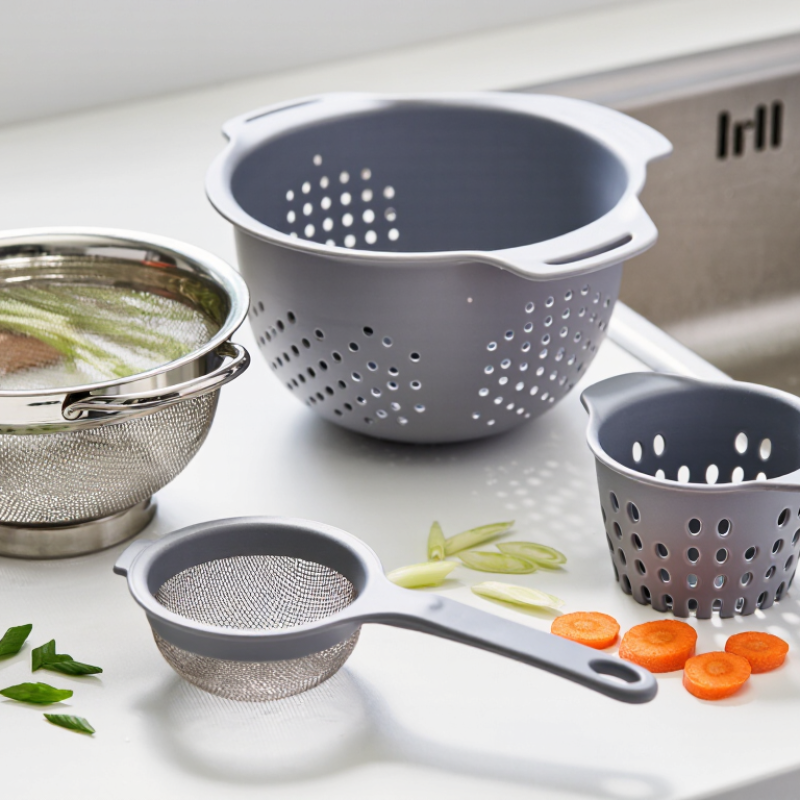
How to Choose the Best Sink Strainer

Measure the Drain Opening: Many U.S. Kitchen Sinks Use a 3.5-Inch Outlet

A 3.5-inch drain opening is common in U.S. kitchen sinks, but it is not guaranteed. Measure the opening before choosing a strainer. Clear away food scraps, then measure straight across the inside diameter of the drain. A ruler works; calipers can give a more exact reading. Do not measure the wide metal rim or the sink’s outer basin. That shiny edge can make the opening seem larger. It is an easy mistake.

If your measurement is close to 3.5 inches, check the strainer’s stated fit range and installation instructions. Small differences matter. The basket must sit flat, and its flange and gasket need to match the drain assembly. If the sink has a disposal, confirm that the strainer is designed for that setup; some parts are not interchangeable. Older sinks, unusual drain fittings, or a thick sink floor may need a different configuration. Take a second measurement if the first one feels uncertain. This measurement seems obvious, until it isn’t. A photo of the drain and its parts can also help a plumbing professional identify a compatible replacement.

Match Strainer Type to the Debris and Drainage Needs

Choose a strainer by the scraps you actually produce and how quickly your sink must drain. A perforated basket catches larger pieces, such as vegetable peels and pasta, while leaving more open area for water. Fine mesh can trap smaller particles, but it may clog faster. Small holes clog. If you regularly rinse rice or collect coffee grounds, use a removable fine-mesh insert and empty it often; neither belongs down the drain.

The U.S. EPA’s 2018 Advancing Sustainable Materials Management report estimated that Americans generated 63.1 million tons of food waste that year. That figure covers the whole country, not sink waste alone, but it shows how much food scraps need proper disposal. A strainer is a barrier, not a waste solution. Scrape plates into a food-waste bin before rinsing, then let the strainer catch what remains.

For everyday dishes, a sturdy basket with broad, smooth openings is often easier to rinse clean. If you need to hold water, choose a stopper-strainer combination, but check that it lifts out without tools. Compare the basket’s diameter and depth with your drain, too. A tight fit matters. I would not choose the finest mesh by default; better filtration can mean slower drainage and more frequent cleaning.

Compare Materials: Type 304 Stainless Steel Contains 18–20% Chromium

When comparing sink strainers, check the stated steel grade rather than relying on a shiny finish. Type 304 stainless steel typically contains 18–20% chromium. Chromium helps form a thin, self-renewing oxide layer that slows corrosion. This is useful around standing water, soap residue, and damp food scraps. Helpful, not magic. Type 304 commonly contains nickel as well, supporting toughness and corrosion resistance. Still, no stainless steel is immune to every kitchen condition. Salt deposits, harsh cleaners, and neglected grime can leave marks over time.

Look at the details you touch and clean. A smooth rim should sit flat in the drain, without sharp edges or visible gaps. Even a good alloy can be frustrating if food catches around a rough seam. Perforations or mesh should hold back scraps while allowing water to drain freely. I would not choose by metal claims alone; a poorly fitting strainer may let debris pass into the pipe. Rinse it after salty or acidic food, then dry it if staining becomes a concern. That small habit is easy to forget, and the steel’s composition cannot replace regular cleaning.

Check Waste-Fitting Compliance with ASME A112.18.2/CSA B125.2

How to Choose the Best Sink Strainer
Check Waste-Fitting Compliance with ASME A112.18.2/CSA B125.2

A sink strainer must suit both your sink opening and its waste fitting. Check the product documentation for compliance with ASME A112.18.2/CSA B125.2, a standard covering plumbing waste fittings. A compliance statement helps you assess the fitting’s requirements and performance. It does not guarantee that every strainer will fit your particular sink. Measure the opening, note the drain connection size, and compare those details with the specifications. Fit matters. It is easy to focus on finish and overlook the connection underneath.

Tips: Before buying, confirm the strainer’s dimensions, gasket arrangement, and intended sink type. Look for clear compliance information in the manufacturer’s documentation, not just a vague claim on a product page. If dimensions or compatibility are unclear, ask a qualified plumbing professional to check them.

Also consider how the strainer handles daily use. A removable basket can make it easier to clear food scraps, while a secure seal helps limit leaks around the drain. Check that the materials suit your sink and cleaning routine. I would treat the standard as a useful checkpoint, not a shortcut: correct installation and compatibility still matter. If a replacement fitting differs from the old one, pause and verify the connection rather than forcing parts together.

How to Choose the Best Sink Strainer — Check Waste-Fitting Compliance with ASME A112.18.2/CSA B125.2

Strainer Type Typical Use Key Fit to Check Material and Finish Practical Considerations Compliance Check
Basket strainer with removable stopper Kitchen sinks where debris collection and temporary water holding are useful Many kitchen sink openings are designed for a nominal 3½-inch basket assembly; verify the sink opening, flange, and drain connection dimensions. Common options include stainless steel, brass, and polymer components. Match the finish to the sink and surrounding fixtures. Choose a basket that lifts out easily for cleaning. Check that the stopper seals properly if the sink will be filled. Check the product documentation for the applicable edition of ASME A112.18.2/CSA B125.2 and confirmation that the specific waste fitting is covered.
Open-grid strainer Utility or kitchen sinks where continuous drainage is preferred Confirm the sink opening and outlet connection; nominal connection sizes do not guarantee compatibility with every sink. Stainless steel or corrosion-resistant metal is commonly used; inspect the stated material and finish. Allows water to drain without removing a stopper, but may retain less debris than a basket design. Request applicable compliance documentation for the complete fitting assembly, not just a description of an individual component.
Bathroom basin pop-up waste Lavatory basins that need a stopper operated by a lift rod or push mechanism Confirm the basin drain-hole size, overflow arrangement, and connection size. Bathroom outlet connections are often smaller than kitchen connections. Available in plated metal and other materials; confirm finish durability and compatibility with the basin. Match the waste to a basin with or without an overflow as specified by the basin manufacturer. Verify that the selected waste fitting is within the scope of the claimed standard and meets local plumbing-code requirements.
Flange-and-tailpiece strainer Installations where a separate basket is not required or the sink design calls for a simple outlet Check flange diameter, sink thickness range, gasket arrangement, and tailpiece connection dimensions. Material varies by product; select one suitable for the water, cleaning products, and installation environment. Confirm adequate clearance beneath the sink for the tailpiece and trap connection. Use the manufacturer’s published installation and compliance information for the exact model and configuration.
Commercial or heavy-duty basket assembly Commercial-style sinks or frequent-use installations where robust construction is important Measure the sink opening and compare it with the fitting’s specified mounting range and outlet dimensions. Look for clearly specified materials and replaceable service components where maintenance is expected. Consider basket capacity, ease of removal, and access for cleaning or replacement. Do not infer compliance from appearance or material alone; check current certification or other documentation accepted by the authority having jurisdiction.

Buying tip: Measure the sink opening and identify the required outlet connection before ordering. ASME A112.18.2/CSA B125.2 applies to plumbing waste fittings; confirm the applicable edition, product scope, and local code requirements with the supplier or local authority.

Assess Basket Depth, Seal Design, and Replacement-Part Availability

A sink strainer should fit the drain, not just look sturdy. Measure the drain opening and the space beneath the basin before choosing a basket. A deeper basket can hold more scraps, but it may hang too low and crowd a disposal unit or cabinet plumbing. Check the usable depth with the tailpiece in place. Fit matters. Basket holes should let water pass while catching food scraps; very small openings can clog quickly with starchy residue.

The seal deserves equal attention. Look for a gasket that sits flat against the sink and can be replaced separately. A warped flange or pinched gasket may allow a slow drip, easy to miss inside a dark cabinet. The U.S. EPA’s Fix a Leak Week guidance estimates that household leaks waste nearly 10,000 gallons of water annually; that figure covers many leak sources, not strainers alone. Check twice. Before buying, confirm that replacement baskets, gaskets, and locknuts are sold in compatible sizes. A low-cost strainer can become inconvenient if one worn washer means replacing the whole assembly. I would still verify measurements against the manufacturer’s specification, since “standard” dimensions are not always identical.

FAQS

What does ASME A112.18.2/CSA B125.2 compliance tell me?

It indicates the waste fitting meets a plumbing standard. It does not confirm that the strainer fits your sink.

What should I measure before buying a sink strainer?

Measure the sink opening and drain connection. Also check the space beneath the basin, especially near cabinet plumbing.

How can I check whether the strainer basket is too deep?

Measure usable depth with the tailpiece in place. A deep basket holds more scraps but may crowd nearby plumbing.

What should I look for in the basket holes?

Holes should drain water while catching food scraps. Very small openings may clog quickly with starchy residue.

How can I spot a reliable seal design?

Choose a gasket that lies flat against the sink and can be replaced separately. Check for pinching or warping.

Are replacement parts worth checking before purchase?

Yes. Confirm compatible baskets, gaskets, and locknuts are available. A worn washer should not require replacing everything.

Can a loose or damaged strainer cause a leak?

Yes. A pinched gasket or warped flange may cause a slow drip. Check beneath the sink.

Is a “standard” size enough to confirm compatibility?

Not always. Compare measurements with the product specifications. I would not trust the word alone.

Conclusion

Choosing the right Sink Strainer starts with measuring the drain opening. Many kitchen sinks in the United States use a 3.5-inch outlet, but checking the size before buying helps ensure a proper fit. Next, consider what the strainer needs to catch and how quickly water should drain. Different basket styles and openings can suit different debris and drainage preferences, so balance effective collection with reliable water flow.

Material and construction also matter. Type 304 stainless steel contains 18–20% chromium and is a common option for corrosion resistance and everyday durability. Check whether the waste fitting complies with ASME A112.18.2/CSA B125.2, then compare basket depth and seal design for a secure, practical installation. Finally, consider whether replacement parts are readily available; replaceable components can make routine maintenance easier and extend the useful life of the assembly.

Madeline

Madeline

Madeline is a dedicated marketing professional with a wealth of expertise in our company's core offerings. With a keen understanding of the industry, she brings a unique perspective to her role, consistently delivering high-quality content that highlights the superior aspects of our products. As......