
What Are the Top Grid Strainer Types?

Time:2026-10-29 Author:Aria
0%

A Grid Strainer may look like a simple screen inside a pipe. In service, it protects pumps, valves, and downstream equipment from debris that can damage components or interrupt flow. Choosing the right design is not just a matter of mesh size. Pressure drop, flow rate, cleaning access, and the type of solids all matter.

The U.S. Environmental Protection Agency’s 2023 Drinking Water Infrastructure Needs Survey and Assessment estimates $625 billion in drinking water infrastructure needs over 20 years. That figure does not measure strainer demand, but it highlights the scale of systems that depend on reliable fluid handling. In those systems, a poorly matched strainer can become a bottleneck. A clogged basket can also turn a routine inspection into an urgent maintenance call.

This guide compares common options, including Y-type, T-type, basket, simplex, and duplex strainers. Their shapes and service needs differ. Some fit compact lines; others offer more screen area or continuous operation during cleaning. Small details matter. No article or verifiable expert quotation was supplied, so I will not invent a named specialist’s statement. That limitation is worth noting: product selection should rest on published specifications, operating conditions, and qualified engineering review—not on an unsupported quote.
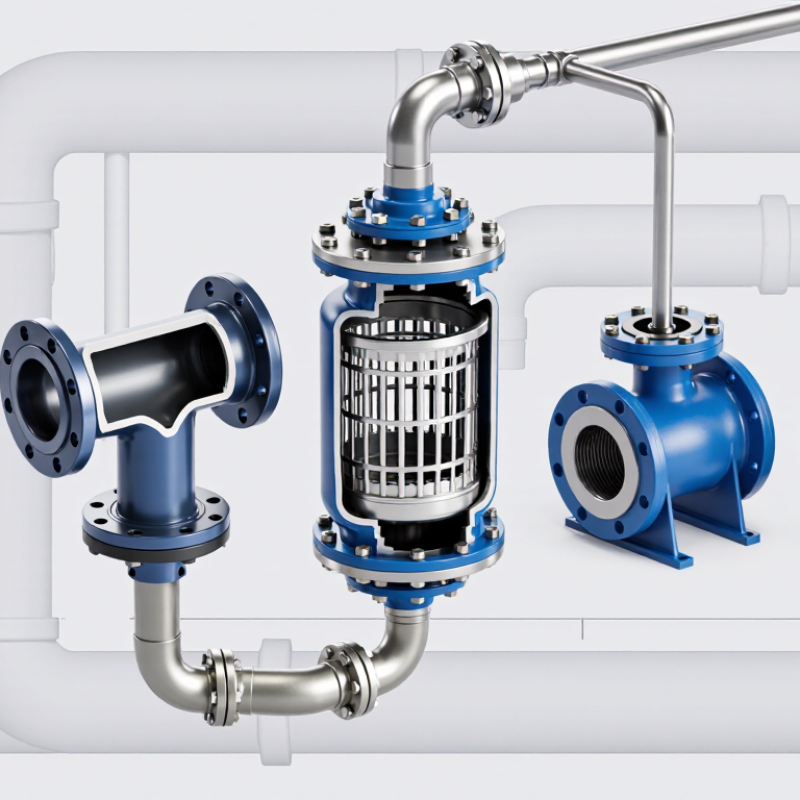
What Are the Top Grid Strainer Types?

What a Grid Strainer Is and How It Works

A grid strainer is a mechanical filter fitted into a pipeline to catch solids before they reach pumps, valves, or process equipment.

Liquid flows through a perforated or mesh screen; particles larger than its openings stay behind. The screen’s shape and opening size determine what it captures and how quickly it may clog. Common pipeline designs include Y-type, basket, and duplex strainers. A duplex unit can keep flow moving while one screen is removed for cleaning.

A clean screen matters to system efficiency.

The U.S. Department of Energy’s Improving Pumping System Performance report says pumping systems account for nearly 20% of global electricity demand. This is not a strainer-specific figure, but it shows why avoidable flow resistance deserves attention. As debris builds up, pressure difference across the screen can rise and reduce flow. The exact effect depends on the liquid, screen area, and operating conditions.

Tips: Check the manufacturer’s pressure-drop data and specify the screen opening for the actual debris and flow rate. Inspect the screen after startup, then set a cleaning schedule based on observed buildup. Don’t rely on appearance alone. A screen that looks clean may still be poorly sized. The details are easy to overlook.

How Grid Strainers Are Classified by Design

What Are the Top Grid Strainer Types?

How Grid Strainers Are Classified by Design

“Grid strainer” usually describes the screen element, not one standard body shape. Engineers classify strainers by body geometry and how the screen is cleaned. Y-type units have an angled chamber and suit compact lines. Basket types hold a larger cylindrical screen, often where flow and debris loads are higher. T-type bodies can fit particular pipeline layouts. Duplex designs use two chambers, allowing one screen to remain online while the other is serviced. Simple distinction. But access and cleaning space matter, too.

A second design split is operating method: temporary, single-basket, or duplex. Temporary cone screens are often used during commissioning, then removed; they are not a permanent substitute for a maintainable strainer. For permanent systems, screen area and mesh opening should match the contaminant size and acceptable pressure loss. Crane Technical Paper 410 presents pressure-loss calculations using loss coefficients, underscoring why geometry and flow conditions matter. Small screens clog faster.

For a practical scale check, a 100 mm clear bore has about 7,850 mm² of cross-sectional area. At an illustrative 4:1 net screen-area ratio, the screen would need roughly 31,400 mm² of open area. That ratio is an example, not a universal specification. Real selection also depends on fluid viscosity, particle shape, startup debris, and cleaning frequency. A detail teams sometimes underestimate: a fine screen can protect downstream equipment, yet it may create frequent maintenance or excess pressure drop.

Common Types: Y, Basket, T, and Duplex Strainers

Y strainers have a compact, angled body that holds a removable screen. They suit many liquid or gas pipelines where space is limited. A technician can usually clean the screen by opening the drain or removing the cover, after isolating pressure safely. Check installation orientation and screen mesh against the system’s flow and debris.

Basket strainers use a basket-shaped screen with more debris-holding capacity than many compact designs. They are common in larger liquid lines, where frequent cleaning would interrupt work.

T strainers also provide a roomy screen chamber, often in larger pipelines or specialized layouts. Their bodies can take up more space. Not always convenient.

Duplex strainers contain two screening chambers and a changeover valve. An operator can switch flow to the clean chamber while the other screen is serviced, helping avoid a shutdown. This design adds valves, space, and maintenance checks, so it may be excessive for a small line.

No type is perfect. Compare expected debris load, pressure drop, cleaning access, and operating continuity before selecting a strainer; actual performance depends on correct sizing and regular inspection.

How Grid Strainer Types Differ in Flow and Maintenance

What Are the Top Grid Strainer Types?
How Grid Strainer Types Differ in Flow and Maintenance

Grid strainers vary in how much open area they provide and how easily operators can reach the screen. A simple flat-screen unit has a compact flow path, but debris can cover its surface quickly. As the screen loads, pressure drop rises and downstream flow may fall. It suits lighter debris when frequent inspection is practical. Not always.

Basket-style strainers hold more debris before cleaning, especially when the basket offers ample screen area. Their larger chamber can take more space, and a loaded basket may be heavy to remove. Operators should check the pressure difference across the unit, not rely on appearance alone. A clean-looking outer body tells little about a clogged screen.

Duplex designs use two chambers, allowing one side to remain in service while the other is cleaned. They support steadier flow, but valves and switching procedures add maintenance steps. Automatic self-cleaning models reduce manual screen handling, yet need a reliable power source and careful setup. Actual performance depends on particle size, fluid viscosity, and flow rate. A fine mesh may catch more particles, but it can also clog sooner. There is no universal winner; the right choice depends on what the line carries and how often staff can inspect it.

Key Factors for Choosing a Grid Strainer Type

Choosing a grid strainer starts with the fluid, not the catalogue picture. A perforated basket suits many coarse-particle duties and is straightforward to inspect. Wedge-wire elements can offer a rigid, cleanable surface, while finer screens may capture smaller debris but clog sooner. Check the required particle size against the element opening; “fine” is not a useful specification by itself. Also confirm the strainer’s pressure and temperature ratings match the actual operating conditions.

Flow rate and maintenance access matter just as much. A simplex strainer can work where flow may be paused for cleaning. A duplex design allows one chamber to remain in service while the other is cleaned, but its valves and changeover procedure need proper planning. Compare the clean pressure drop with the available pump margin, and consider how quickly debris may build up. In practice, operators sometimes choose a tighter screen than the process needs. That can create frequent cleaning and unexpected pressure loss. It is worth checking the choice against real operating data.

Tips: Ask what the captured debris looks like, how often it appears, and whether cleaning is manual or automated. Leave room to remove the basket. A pressure gauge across the strainer helps reveal loading, but set a clear inspection threshold.

FAQS

What is a Y strainer best suited for?

Its compact, angled body fits many liquid or gas pipelines with limited space. Check the flow direction and screen mesh before installation.

When should I choose a basket strainer?

Choose one when a larger liquid line needs more debris capacity. Its basket-shaped screen is easy to inspect, but it still needs cleaning.

How does a T strainer differ from a Y strainer?

A T strainer has a roomier screen chamber, often for larger pipelines or specialized layouts. It can take up more space.

What is the benefit of a duplex strainer?

Its two chambers let operators switch flow while cleaning one screen. This can avoid stopping the line, but adds valves and maintenance checks.

How fine should the screen be?

Match the element opening to the particle size the process needs to capture. A tighter screen may clog sooner and increase pressure loss.

What should I check before selecting a strainer?

Review fluid type, flow rate, debris load, pressure, and temperature. Confirm the strainer’s ratings match actual operating conditions.

How can operators tell when a screen is loading with debris?

A pressure gauge across the strainer can show rising pressure drop. Set an inspection threshold and check what the captured debris looks like.

Does a finer screen always improve filtration?

No. It may cause frequent cleaning and unexpected pressure loss. The right choice deserves a second look.

Conclusion

A Grid Strainer is a mechanical device that removes solid particles from flowing liquids or gases by directing the fluid through a screen or perforated element. Strainers can be classified by their shape, installation layout, and how their filtering element is accessed or cleaned. Common designs include Y strainers, which are compact and suited to many pipelines; basket strainers, which offer greater debris-holding capacity; T strainers, which fit certain large or space-limited systems; and duplex strainers, which allow one chamber to be cleaned while the other remains in service.

Each type affects flow resistance, available filtration area, maintenance frequency, and ease of cleaning differently. Choosing the right Grid Strainer depends on the fluid, expected particle load, required filtration level, operating pressure and flow rate, installation space, and whether the system can be shut down for servicing. Matching these factors to the strainer design helps maintain reliable flow and makes routine maintenance more practical.

Aria

Aria

Aria is a dedicated marketing professional with a deep passion for innovative strategies and a keen understanding of our company's product offerings. With a wealth of experience in the industry, Aria excels at crafting engaging content that highlights the unique features and benefits of our......