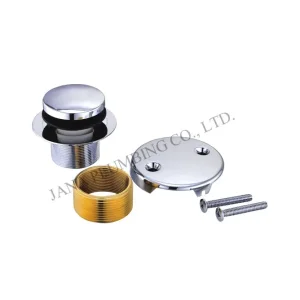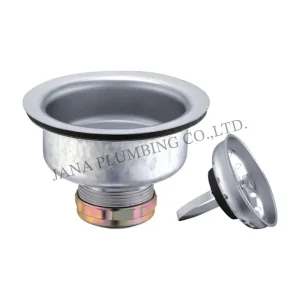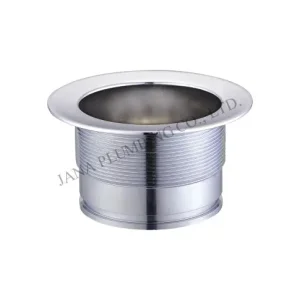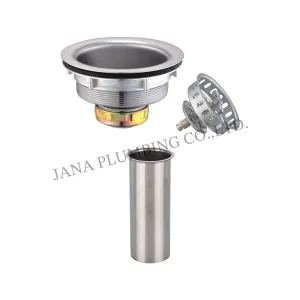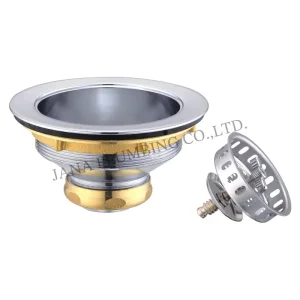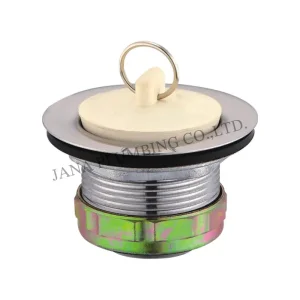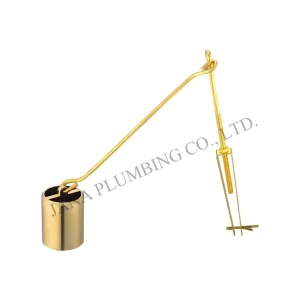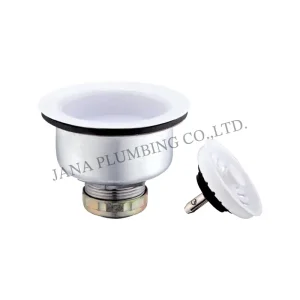
Commercial & Residential Strainer Assemblies
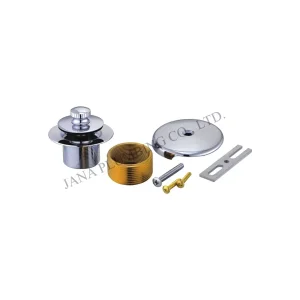
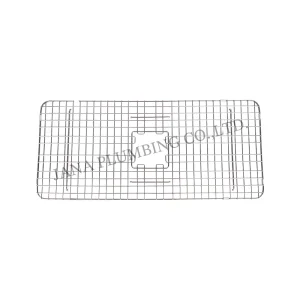
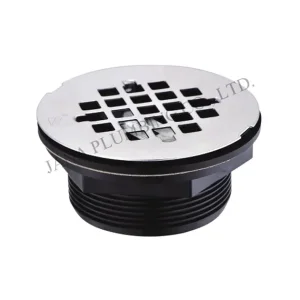
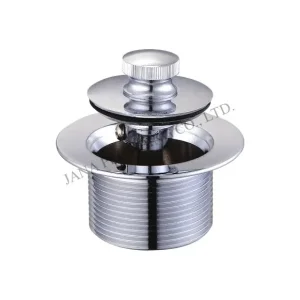
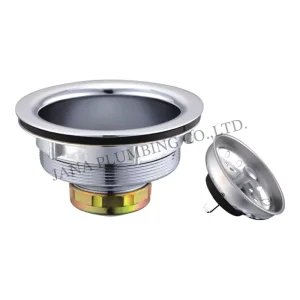
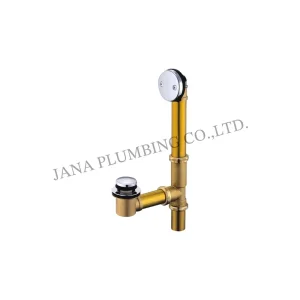
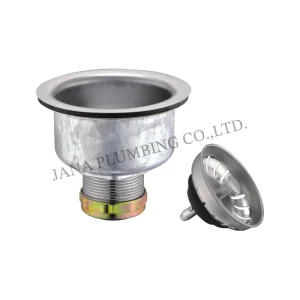
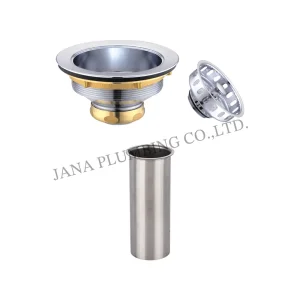
Engineering Architecture of 3 Compartment Sink Basket Strainers
In high-throughput commercial kitchens, food processing facilities, institutional dining halls, and upscale residential culinary stations, the 3-compartment sink operates as the fundamental engine of health compliance and manual warewashing. Standard sanitation protocols—mandated by global municipal codes including the FDA Food Code and North American Health Regulations—dictate a rigorous three-step process: Wash (Compartment 1), Rinse (Compartment 2), and Sanitize (Compartment 3). The structural integrity, drainage velocity, and particulate filtration efficacy of this tripartite ecosystem rely entirely on the engineering quality of the 3 compartment sink basket strainer assembly.
A failure at the drainage interface leads to catastrophic operational friction: back-pitched lines, severe grease trap contamination, toxic biofilm proliferation, and premature valve seal degradation. As premier China 3 compartment sink basket strainer suppliers and OEM manufacturers, our engineering philosophy merges metallurgical excellence (utilizing ASTM-compliant C37700 forged brass and AISI 304 austenitic stainless steel) with advanced hydro-dynamic geometry to deliver zero-leakage, high-flow rate, and heavy-duty solids retention.
Corrosion & Chemical Resistance
Exposed constantly to aggressive commercial sanitizers (quaternary ammonium compounds, chlorine-based bleach, and acidic degreasers), our strainers undergo physical vapor deposition (PVD) and electro-polishing treatments to prevent pitting and micro-cracking.
Hydraulic Flow Optimization
Designed with computer-modeled basket slot distribution, our strainers maintain optimal drain velocity (exceeding ASME A112.18.2 flow parameters), preventing turbulent backup during simultaneous basin discharge.
Precision Thread & Seal Calibration
Features CNC-machined NPSM straight threads and heavy-duty EPDM/NBR elastomeric sealing gaskets. Guarantees drip-tight seating under extreme thermal expansion cycles (from cold rinse water to 180°F sanitizing discharge).
Technical Roadmap & Future Outlook (2025–2030)
The global commercial sanitary industry is transitioning from passive mechanical drainage toward intelligent, hygienic, and highly durable fluid control systems. As a leading manufacturing technology pioneer in Yuhuan, China, our R&D roadmap focuses on four foundational technological shifts:
1. Anti-Microbial PVD & Nanotech Surfaces
Future iterations of our 3 compartment basket strainers incorporate silver-ion-doped copper-titanium coatings. This technology inhibits bacterial biofilms (E. coli and Salmonella) at the drain flange, dramatically reducing health code violation risks in commercial kitchens.
2. Self-Cleaning & Micro-Solid Separators
We are engineering dual-stage filtration baskets with conical micro-mesh inserts. These capture particulates down to 0.5mm without restricting liquid discharge, protecting municipal wastewater infrastructure and minimizing grease trap cleanout frequency.
3. IoT Ready & Automated Drain Valves
Developing integrated solenoid and lever-actuated twist waste valve conversion modules compatible with commercial kitchen automation networks, enabling automated basin draining and temperature monitoring during sanitization cycles.
Macro Solutions for Commercial Foodservice Sinks
Purchasing directors and chief engineers face strict performance requirements when sourcing 3 compartment sink strainer hardware for chain restaurants, hotels, hospitals, and marine galleys. A standard residential sink strainer quickly fails under continuous commercial water pressure, thermal shock, and aggressive physical impact from heavy pots and sheet pans.
| Performance Metrics | Standard Household Strainer | Industrial Grade 3-Compartment Strainer (JANA OEM) | Commercial Advantage & Impact |
|---|---|---|---|
| Flange Material | Stamped 201 Stainless / Thin Sheet Brass | Heavy-Duty C37700 Brass / Forged 304 Stainless Steel | Prevents deformation under heavy pot impact; zero rust. |
| Basket Mechanism | Basic Plastic Stem or Light Wire Catch | Ball-Bearing Post / Spin & Lock / Twist Lever Waste | Positive water seal under full 14" water column depth. |
| Thread Construction | Rolled Light Threads | Precision CNC Machined NPSM Heavy Wall Threads | Eliminates cross-threading and catastrophic leak failures. |
| Thermal Range | 32°F to 140°F (0°C to 60°C) | -20°F to 212°F (-28°C to 100°C) Continuous | Withstands commercial boiling water and sanitizing flushes. |
| Code Compliance | Basic Regional Fitment | UPC, cUPC, ASME A112.18.2, NSF/ANSI Standard 2 | Guarantees effortless passing of local health inspections. |
China Factory 4.0: Supply Chain Resilience & Efficiency
In an era of global tariff fluctuations and supply disruptions, JANA Plumbing provides enterprise clients with an unmatched dual-origin manufacturing footprint. Combining our decades-long primary production headquarters in Yuhuan, Zhejiang, China with our modern 14,400 m² automated plant in Kabinburi Industrial Zone, Thailand (operational since December 2023), we offer bulletproof supply chain agility.
Hydraulic Forming & Automated Forging
High-tonnage hydraulic presses and multi-station progressive stamping dies forge brass and stainless steel bodies with zero micro-voids and tight dimensional stability.
Robotic Polishing & Surface Finishing
6-axis manipulator robots execute uniform polishing on every strainer lip and flange, ensuring mirror-like chrome and brushed nickel finishes without hand-buffing variances.
100% Hydrostatic Leak Testing
Every commercial 3 compartment strainer assembly is subjected to pneumatic underwater pressure testing to guarantee 100% seal integrity before boxing.
Localization Support & Regulatory Certification
Navigating municipal plumbing codes across North America, Europe, and Australia requires strict adherence to material safety and structural testing standards. Products manufactured by JANA Plumbing carry comprehensive, independently verified third-party listings:
- UPC & cUPC Certification: Fully listed under IAPMO file standards, complying with Uniform Plumbing Code requirements for the United States and Canada.
- AB1953 & NSF/ANSI 372 Lead-Free Compliance: Manufactured using low-lead brass alloys (< 0.25% weighted lead content), satisfying strict California and federal Safe Drinking Water Act mandates.
- ASME A112.18.2 / CSA B125.2 Plumbing Waste Fittings: Rigorously tested for thread pitch accuracy, mechanical strength, wall thickness, and corrosion resistance.
- NSF/ANSI Standard 2 Food Equipment: Engineered for easy sanitation, rounded internal radii, and smooth non-porous surfaces that resist bacterial accumulation in commercial foodservice operations.
Private Label & Custom OEM Packaging
Full support for retail box design, custom barcodes (UPC-A/EAN-13), color clamshells, and contractor master cartons. Laser etching of client logos and model numbers directly onto the strainer rim.
Custom Finishes & Metallurgies
Available in Polished Chrome, Brushed Stainless, Matte Black (PVD), Physical Gold, Satin Nickel, and Oil-Rubbed Bronze to match high-end architectural fixtures.
Agile Freight & Duty Optimization
Option to ship directly from Zhejiang, China or Kabinburi, Thailand to minimize country-of-origin tariff burdens for North American importers.
Procurement RFP Guidelines for Commercial Sink Hardware
When drafting Request for Proposals (RFPs) for 3 compartment sink basket strainers and related plumbing waste hardware, procurement teams should mandate the following technical qualification benchmarks:
- Material Composition Verification: Demand mill test certificates (MTC) verifying C37700 brass composition or 304 stainless steel chemical analysis (minimum 18% Chromium, 8% Nickel) to prevent substandard zinc-alloy substitute failures.
- Gasket & Elastomeric Integrity: Specify high-grade EPDM or Nitrile rubber washers tested for oil, boiling water, and commercial chemical exposure, ensuring zero rubber degradation over 10,000 thermal cycles.
- Threading Specifications: Require precision 1-1/2" or 2" NPSM straight threads with a minimum thread depth of 5 full turns to guarantee maximum torque retention under vibration and heavy pipe loads.
- Flow Velocity & Sediment Clearance: Ensure basket perforation patterns provide at least 120% total open area relative to the tailpiece internal diameter, preventing hydraulic bottlenecks during multi-basin drainage.