
Precision Bathtub Drains, Strainers & Hardware Components
Constructed from forged solid brass and premium surgical-grade stainless steel to satisfy ASME A112.18.2 / CSA B125.2 structural durability, uniform sealing, and long-term fluid drainage efficiency.
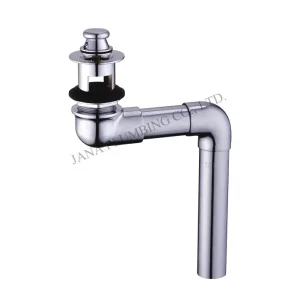
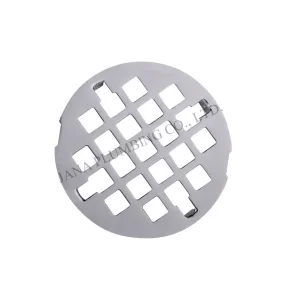
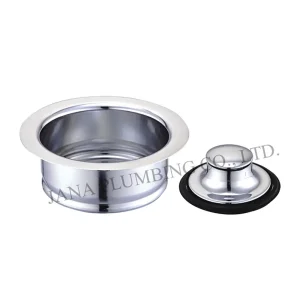
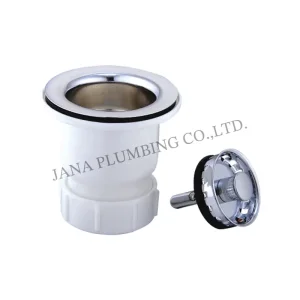
Executive Industry Overview: Bathtub Strainer Manufacturing Dynamics
Analyzing metallurgy, mechanical actuation mechanisms, code compliance, and global supply resilience from the heart of China’s sanitary ware production corridors.
In residential plumbing, commercial hospitality construction, and recreational vehicle (RV) manufacturing, the bathtub strainer represents a critical juncture between user ergonomics, aesthetic bathroom architecture, and hydraulic sanitary safety. Despite being perceived superficially as an aesthetic drain cover, a modern bathtub strainer and waste assembly functions as a dynamic mechanical flow regulator. It must withstand thermal expansion shocks (cycling rapidly between 5°C cold rinses and 60°C scalding water), resist caustic alkaline and acidic surfactant chemicals, maintain hermetic hydrostatic sealing under water head pressures, and prevent catastrophic wastewater siphoning or sewer gas intrusion into habitable environments.
China has long dominated the global supply landscape for cast brass, pressed stainless steel, and zinc-alloy bath waste hardware. Over the past three decades, the manufacturing paradigm has shifted fundamentally from low-cost, labor-intensive casting workshops into highly automated, CNC-machined, robotically polished, and environmentally zero-discharge plating mega-factories. JANA PLUMBING CO., LTD., founded in early 1998 along the maritime manufacturing cluster of Yuhuan, Zhejiang Province, has spearheaded this evolution. Combining nearly three decades of tooling engineering with an advanced sister production base in Kabinburi Industrial Zone, Thailand (operational December 2023, spanning 14,400 m²), the company establishes an authoritative operational benchmark for global brand OEM/ODM partnerships.
Factory Advantages of Sourcing Bathtub Strainers from China
From complete upstream raw-material metallurgy to automated manipulator polishing cells, Chinese sanitary ware manufacturing delivers unparalleled scale, speed, and precision.
Vertical Supply Ecosystem
Yuhuan, Zhejiang serves as China's valve and brass capital. With copper rod extruders, sand casting, hot forging, precision mold design, and packaging hubs situated within a 15-kilometer radius, production lead times and component transit bottlenecks are effectively neutralized.
Advanced Robotic Automation
Utilizing high-tonnage hydraulic presses, multi-station transfer machines, CNC threading lathe centers, and robotic buffing arms ensures dimensional tolerances within ±0.02mm across high-volume production batches, minimizing surface micro-defects before electroplating.
Lead-Free Material Mastery
Full compliance with California AB1953, NSF/ANSI 372, and Federal Public Law 111-380 mandates. In-house direct-reading spectrometer metal analyzers certify that wetted brass contains less than 0.25% weighted lead content prior to casting and forging extrusion.
Strategic Dual-Plant Footprint
By coupling the mature Zhejiang mother facility with Gateway Enterprise Corporation in Kabinburi, Thailand (14,400 m²), buyers gain anti-dumping tariff mitigation, geographic origin redundancy, and seamless tooling interchangeability without modifying master engineering drawings.
Technological Trends Reshaping the Bathtub Strainer Sector
From Physical Vapor Deposition (PVD) molecular coatings to universal retrofitting drain geometry and hair-capturing vortex hydrodynamics.
Physical Vapor Deposition (PVD) Finishes
Traditional wet electroplating is increasingly yielding to vacuum cathodic arc PVD finishing. Depositing titanium nitride (TiN) or zirconium compounds creates scratch-resistant, molecularly bonded finishes in Matte Black, Brushed Bronze, Gunmetal, and Polished Nickel capable of withstanding over 480 hours of ASTM B117 neutral salt spray without pitting or delamination.
Universal Thread Conversion Architecture
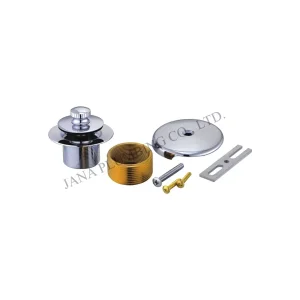
Remodeling and commercial refurbishment contractors frequently encounter conflicting coarse thread (11-1/2 TPI NPSM) versus fine thread (16 TPI) shoe assemblies. Advanced manufacturers engineer dual-threaded brass conversion bushings and drop-in universal cartridge cores (such as the JN-6109 kit), allowing single-SKU retail packaging to solve 98% of field retrofits without pipe tearing.
Anti-Clog Hydrodynamic Strainer Cores
Next-generation tub strainers incorporate concealed interior micro-perforated baskets or engineered snap-in concentric aperture grids (like the JN-6320). By optimizing aperture velocity and fluid surface tension, these designs intercept hair and solid particulate without choking gravity drainage discharge flow rates below standard plumbing fixture unit requirements.
Application Scenarios: Custom Solutions for Global Environments
Matching mechanical stopper action, gasket compounds, and metallurgical properties to specific residential, hospitality, healthcare, and recreational vehicle installations.
Multi-Family Residential Developments
Demands high structural abuse resistance, fool-proof toolless operation, and standardized 1-1/2" NPSM threaded connections. Lift-and-turn (JN-5002) and push-pull mechanisms prevent mechanical linkage failures common with concealed overflow trip levers inside drywall access panels.
Luxury Hospitality & Resorts
Requires flawless surface aesthetics, rapid visual inspection, and high acoustic dampening during drainage. Thick-gauge spun solid brass bodies with custom PVD finishes seamlessly harmonize with exposed designer tub-fillers and thermostatic rough-in valves.
Recreational Vehicles (RV) & Marine
Demands compact vertical clearance, ultralight corrosion-proof polymers or deep-drawn surgical stainless steel, and vibrational resistance under vehicular kinetic shock. Gaskets engineered from ozone-resistant EPDM or Santoprene rubber prevent dry-rot leaks in storage.
Assisted Living & Healthcare
Focuses on ADA compliance, low-actuation operating torque, and seamless toe-touch stopper plungers. Requires absence of sharp internal edges and non-snag grid profiles (such as JN-6320) to maintain hygienic safety and prevent accidental foot contact abrasions.
Macro Solutions: Metallurgy, Tolerances & Code Compliance
Rigorous engineering criteria separating tier-one sanitary ware manufacturing from sub-standard commodity hardware.
In accordance with ASME A112.18.2 / CSA B125.2, bathtub drain fixtures must demonstrate flawless structural integrity under sustained mechanical bending moments, static hydraulic pressure tests of at least 25 psi, and intense chemical cleaning exposure. Substandard fabricators frequently employ recycled scrap brass contaminated with excessive iron, lead, or tin inclusions, which cause dezincification corrosion (DZR failure) when exposed to municipal chloraminated drinking water.
JANA Plumbing engineers its bathtub strainers using standardized virgin C37700 extrusion billets or SUS304 deep-drawing grade coil stock. Thread forms are generated via automated CNC single-point cutting or cold-rolling to ensure true pitch compliance to ASME B1.20.1 standards, eliminating thread galling and binding when pairing with cast iron, ABS, or PVC tub shoes.
| Component Feature | JANA Industrial Specification | Standard Market Generic | Compliance Test Benchmark |
|---|---|---|---|
| Base Alloy Metallurgy | Forged C37700 Brass / SUS304 Austenitic SS | Recycled Pot Zinc Die-Cast / Thin Brass Plated | ASTM B283 / ASTM A240 Spectrometry |
| Lead Content (Wetted) | ≤ 0.25% Weighted Average (AB1953 Compliant) | 1.5% - 4.0% High-leaded Free Machining Brass | NSF/ANSI/CAN 372 / AB1953 Certified |
| Thread Form & Pitch | 1-1/2" NPSM / UNC Fine CNC Cut (±0.015mm) | Die-cast As-cast Threads with flash burrs | ASME B1.20.1 Go/No-Go Gauge Verification |
| Plating / Surface Layer | Multi-layer Ni-Cr (Ni ≥ 10μm, Cr ≥ 0.25μm) / PVD | Flash electroplate (< 3μm) without copper strike | ASTM B117 96h-480h Salt Spray Chamber |
| Sealing Elastomers | Ozone & Chloramine-resistant molded EPDM | Recycled Natural SBR Rubber (Prone to drying) | ASTM D2000 Tensile & Fluid Swell Protocol |
| Actuation Durability | ≥ 50,000 Continuous Lift/Turn & Push Cycles | 5,000 - 10,000 Cycles before internal spring shear | ASME A112.18.2 Mechanical Endurance Mandate |
Navigating Enterprise Sourcing: OEM/ODM & Dual-Origin Security
How tier-one wholesale plumbing distributors, retail hardware brands, and building developers eliminate cross-border risks.
Private-Label Retail & Contractor Packaging
Global retailers (such as The Home Depot, Lowe's, Ferguson, or Kingfisher) require differentiated visual packaging. Our facility houses fully automated blister sealing, four-color high-density printed contractor cartons, laser-etched SKU barcoding, UPC-A / EAN symbology, and customized bilingual installation instruction inserts.
Tariff Hedging with Thailand Production
U.S. Section 301 tariffs on Chinese sanitary ware have historically disrupted margin stability for North American importers. Gateway Enterprise Corporation (Thailand) Co., Ltd. operates 14,400 m² of automated manufacturing in Kabinburi. Importers leverage verified non-China Certificate of Origin (C/O) documentation to optimize customs duties securely.
Strict Quality Audits & Lot Traceability
Holding ISO 9001 and BRC certifications, every production order is tracked from ingot casting melts down to final pallet strapping. We provide full mill test certificates (MTC), CMM dimensional verification reports, electroplating thickness X-ray measurements, and hydrostatic pressure test logs with every containerized dispatch.
Frequently Asked Questions: Bathtub Strainer Sourcing
Direct answers to the most critical technical, commercial, and regulatory inquiries submitted by global supply chain directors.
What is the primary mechanical difference between Lift & Turn, Push-Pull, and Toe-Touch bathtub strainers?
Lift & Turn: Features an internal guide pin inside a slotted brass channel (like model JN-5002). The user lifts the knob and rotates it 90 degrees to rest in an open drainage detent. This is mechanically the most durable system with virtually zero internal spring fatigue.
Push-Pull: Functions by friction detents or internal O-rings, requiring a straightforward vertical pull to open and downward push to seal. Ideal for rugged rental housing where intuitive use is paramount.
Toe-Touch: Employs an internal heavy-duty stainless steel spring-loaded clicker cartridge. Users actuate the drain by foot tap. While highly ergonomic, it requires premium SUS316 internal springs to avoid chemical corrosion from bath salts and aggressive drain cleaners.
Which North American plumbing codes govern bathtub strainers, and what certifications are required?
Bathtub strainers and waste assemblies must comply with ASME A112.18.2 / CSA B125.2 (Plumbing waste fittings). Furthermore, products entering municipal water supply codes in the United States and Canada must satisfy the Uniform Plumbing Code (UPC) and Canadian Uniform Plumbing Code (cUPC), monitored by IAPMO. To verify compliance, manufacturers undergo third-party structural pressure tests, thermal cycling, and chemical resistance validation. JANA Plumbing maintains continuous listings with IAPMO and IAPMO R&T under listing certificates (including Certificate No. 6229, 8175, 12307, N-11587, and T-11586).
How does JANA Plumbing ensure lead-free compliance for wetted brass components?
In accordance with the Safe Drinking Water Act (SDWA), California AB1953, and NSF/ANSI 372 standards, wetted plumbing brass must possess a weighted average lead content of less than 0.25%. JANA Plumbing utilizes dedicated lead-free brass ingots (such as C37700 and DZR alloys). Our laboratory tests every raw metal charge using direct-reading optical emission spectrometers. Batch-specific chemical analysis sheets are archived and provided to buyers to clear municipal plumbing inspector reviews.
Why is a dual-origin manufacturing strategy (China + Thailand) essential for modern buyers?
Geopolitical friction, antidumping tariffs (Section 301), and unexpected regional logistics shut-downs make relying exclusively on a single origin perilous. JANA Plumbing established its mother plant in Yuhuan, China in 1998, developing world-class tooling and engineering infrastructure. In December 2023, our automated facility in Kabinburi Industrial Zone, Thailand (14,400 m²) commenced operations. This grants importers the operational agility to pivot container bookings between China and Thailand while utilizing identical molds, QA benchmarks, and master tolerances.
What thread standards and dimensions are standard for bathtub waste strainers?
The standard nominal thread dimension in North America is 1-1/2" NPSM (National Pipe Straight Mechanical), featuring approximately 11-1/2 threads per inch with an outer major thread diameter of ~1.875 inches (47.6 mm). However, older retrofits occasionally utilize fine thread specifications (16 TPI with a 1.625" OD). JANA manufactures universal strainers accompanied by precision brass adapter bushings (such as model JN-6109), allowing seamless cross-compatibility between modern ABS/PVC waste shoes and vintage cast iron assemblies.
Can JANA Plumbing develop custom OEM bathtub strainers and provide private-label retail packaging?
Yes. JANA Plumbing provides end-to-end OEM and ODM services. From 3D CAD modeling, rapid SLA resin prototyping, and progressive stamping die design to CNC tooling and automated testing fixtures, our in-house engineering team can develop custom drain geometries. Furthermore, we execute complete retail packaging programs including clamshell blisters, printed drop-in sleeves, tamper-evident barcoded corrugated cartons, and customized instruction manuals.
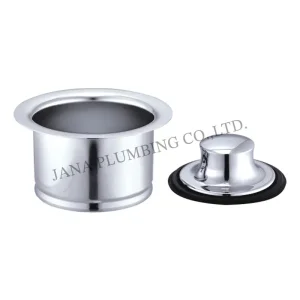
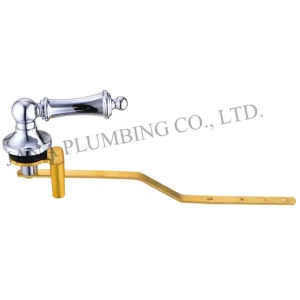
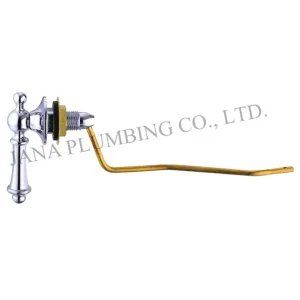
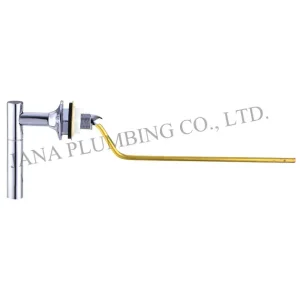
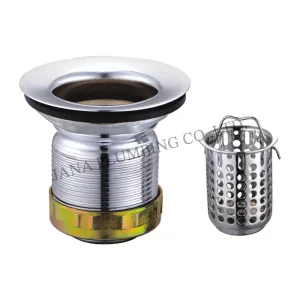
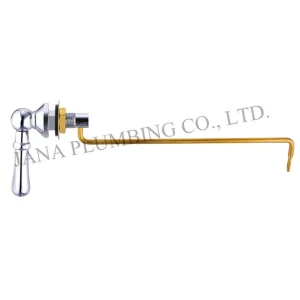
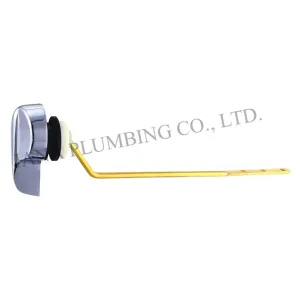
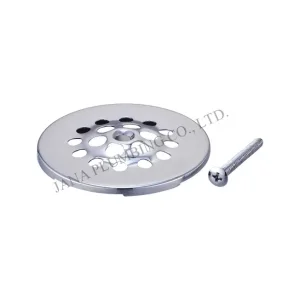
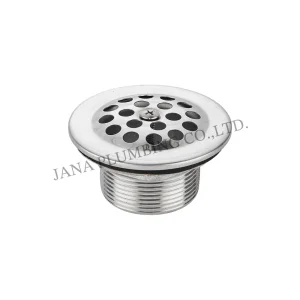
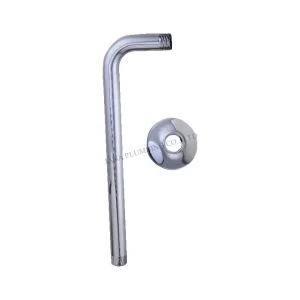
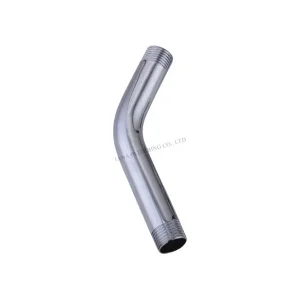
Heavy-Duty Basket Strainers, Overflow Plates & Shower Hardware
Complete drain system continuity: from deep sink strainers and multi-hole overflow plates to solid brass shower arms and tank levers.
Factory Verification: Certified Supply Authority
Independent verification standards held by JANA PLUMBING CO., LTD. across its production facilities.
UPC / cUPC Listings
Certified under IAPMO R&T files (Certificates 6229, 8175, 12307), validating plumbing waste fitting adherence to ASME A112.18.2 / CSA B125.2 codes for both the United States and Canada.
AB1953 Lead-Free
Documented compliance ensuring wetted surfaces conform to strict lead leaching requirements, certified under state and federal drinking water standards for residential hardware.
ISO 9001:2015 QA
Comprehensive Quality Management System covering hydraulic press forming, high-speed progressive die stamping, CNC thread machining, optical surface inspection, and batch leak testing.
BRC Global Standard
Audited operational integrity and facility hygiene standards verifying structured process management, traceability documentation, and ethical supply chain execution.