
Featured Plumbing Trim & Drain Assemblies (Top Catalog Matrix)
Precision-engineered brass and polymer assemblies designed for code compliance, structural integrity, and long-term operating life across commercial and residential applications.
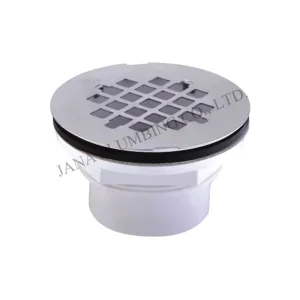
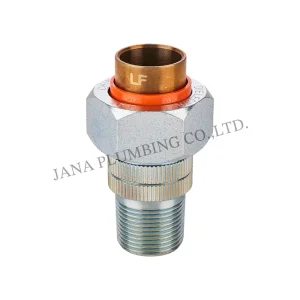
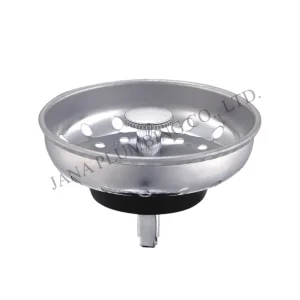
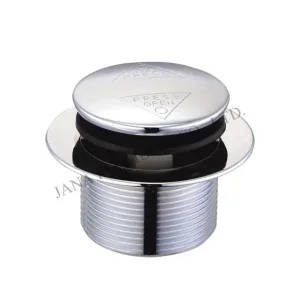
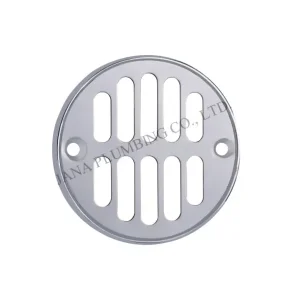
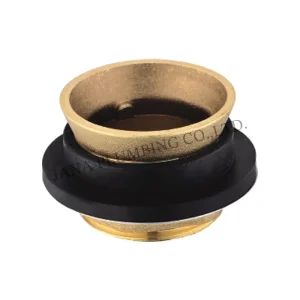
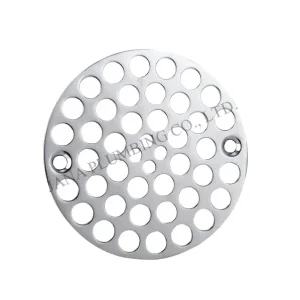
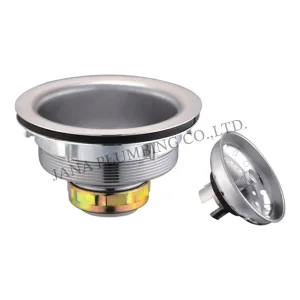
Executive Industry Overview: Cleanout Cover Plates in Modern Infrastructure
Cleanout cover plates are fundamental yet highly engineered components of building DWV (Drain, Waste, and Vent) systems. Serving as the primary physical access interface for drain line maintenance, rodding, and camera inspections, these architectural trim elements bridge the gap between heavy industrial plumbing infrastructure and high-grade visual finish requirements. In modern commercial, institutional, and high-density residential developments, a cleanout access point must strictly balance leak-proof sealing, structural load capacity, tamper resistance, and aesthetic integration.
The global demand for high-spec cleanout cover plates has undergone significant transformation driven by strict municipal building codes (such as the Uniform Plumbing Code / UPC and International Plumbing Code / IPC), rising urbanization across North America and Western Europe, and stringent hygienic standards in healthcare and food-processing environments. China has established itself as the premier global manufacturing hub for cleanout cover plates, brass drain strainers, dielectric unions, and specialized pipe fittings, combining metallurgical precision, advanced hydraulic forming, automated CNC machining, and cost-effective surface finishing.
As leading OEM/ODM manufacturers, Chinese engineering enterprises like JANA Plumbing Co., Ltd. (operating advanced facilities in Yuhuan, Zhejiang, China and Kabinburi, Thailand) provide overseas distributors, engineering procurement contractors (EPCs), and plumbing brands with certified, code-compliant access covers built to withstand high dynamic loads, chemical corrosion, and environmental degradation.
Emerging Industry Trends & Technological Innovations
The cleanout cover plate sector is shifting from basic stamped metal plates toward high-precision engineered access assemblies. Buyers and specification engineers now demand enhanced material performance, eco-friendly brass formulations, advanced PVD (Physical Vapor Deposition) surface coatings, and smart BIM-compatible designs.
1. Lead-Free Metallurgical Compliance
Driven by strict regulations like California AB1953, NSF/ANSI 61, and NSF 372, Chinese foundries have pioneered low-lead and lead-free brass casting techniques (e.g., C89833, C27453 brass alloys). These metals prevent toxic leaching while retaining superior machinability and tensile strength.
2. Vandal-Resistant & Flush-Fit Architecture
Public venues, educational campuses, and correctional facilities require tamper-proof access solutions. Modern cleanout plates feature security pin-Torx or spanner screw fastenings, sit completely flush with finished floor/wall surfaces, and eliminate tripping hazards.
3. Architectural PVD Finishes
Beyond traditional electroplated chrome, commercial interior designers demand custom decorative finishes. PVD technology delivers Matte Black, Satin Nickel, Oil Rubbed Bronze, and Brushed Gold finishes that withstand harsh industrial chemical cleaners without tarnishing.
4. Heavy-Duty Dynamic Load Rating
Floor cleanouts installed in commercial warehouses, parking garages, and industrial kitchens must endure heavy rolling wheel loads. Foundries utilize ductile iron base frames combined with extra-heavy nickel-bronze or stainless steel covers rated up to 10,000 lbs.
Localized Engineering Scenarios & Architectural Integration
Cleanout cover plates are deployed across distinct structural settings, each imposing unique physical, chemical, and code requirements on the access plate assembly.
| Application Environment | Primary Material & Finish | Key Performance Standard | Installation & Mounting Type |
|---|---|---|---|
| Commercial Skyscrapers & Offices | Heavy-Duty Solid Brass / Satin Chrome | ASME A112.36.2M / UPC Listed | Wall access with long central screw into cleanout plug |
| Hospitals & Cleanrooms | AISI 316 Stainless Steel (Smooth Polish) | NSF Hygiene / Anti-Microbial Passivation | Gasketed flush-mount to prevent bacterial entrapment |
| Parking Structures & Loading Docks | Ductile Iron Frame with Nickel-Bronze Top | Extra Heavy Duty (Load Class C/D) | Adjustable floor housing cast directly into concrete slab |
| Residential Bathrooms & Kitchens | Forged Brass / Polished Chrome / PVD Colors | CSA B125.2 / AB1953 Lead-Free | Shallow pattern or snap-on trim plate for drywall/tile |
| Industrial Chemical & Wastewater Plants | Investment Cast 316L SS / Polymer Composites | ASTM A351 / High Acid Corrosion Resistance | Heavy neoprene O-ring sealed threaded access cover |
Whether installed behind drywall in high-rise plumbing chases or embedded into poured concrete floors in convention centers, selecting the appropriate engineering cover plate prevents costly water damage, odor leaks, and code non-compliance penalties.
Technical Roadmap: Engineering, Metallurgy & Manufacturing Process
Precision manufacturing of plumbing cleanout covers, drain grids, and spuds relies on sophisticated metallurgical controls and modern automated production workflows. Below is the technical manufacturing roadmap executed in top-tier Chinese facilities:
Phase 1: Raw Material Sourcing & Spectrometry
Every ingot of brass (C36000/C27453) or stainless steel (SS304/SS316) undergoes Optical Emission Spectrometry (OES) testing to verify copper, zinc, lead, and nickel ratios before melting, eliminating sub-standard raw material risks.
Phase 2: Hot Forging & Stamping
High-tonnage hydraulic forging presses shape heavy-duty cleanout covers and spuds with zero internal porosity. Stamping lines execute progressive die cuts for strainers and cover plates with tight dimensional tolerances (+/-0.05mm).
Phase 3: Multi-Axis CNC Machining
Robotic-arm loaded multi-axis CNC lathes cut precise NPT, NPSM, or fine metric threads on cleanout plugs and cover plate mounting collars, guaranteeing effortless field installation without thread binding.
Phase 4: Electroplating & Quality Control
Automated plating racks deliver multi-layer nickel-chrome plating (passing 96-hour CASS salt spray tests). Finished covers undergo 100% optical dimensional sorting and hydro-static pressure testing.
Macro Supply Chain Solutions: China + Thailand Dual-Origin Advantage
Navigating global tariff changes, anti-dumping regulations, and supply chain disruptions requires strategic manufacturing agility. Leading manufacturers have expanded production operations beyond traditional mainland hubs to offer seamless dual-origin sourcing options.
The China + Thailand Supply Chain Advantage: Importers and global OEM brands can optimize their procurement tax structures by leveraging dual-production hubs:
Yuhuan, Zhejiang Facility (China HQ)
Serving as the centralized R&D, mold development, tooling, and primary manufacturing headquarters since 1998. Features a complete in-house production chain spanning hydraulic forming, precision brass forging, polishing, packaging, and custom OEM private labeling.
- Over 25 years of engineering heritage
- High-speed tooling development (14–21 days for custom prototypes)
- Comprehensive testing laboratory for UPC, cUPC, and ISO 9001 compliance
Kabinburi, Prachinburi Facility (Thailand Base)
Gateway Enterprise Corporation (Thailand) Co., Ltd. operates a modern 14,400 m² automated facility. Operational since December 2023, this plant allows North American buyers to bypass Section 301 tariffs while benefiting from identical engineering quality and tooling.
- Zero-tariff or reduced-tariff export options to North American markets
- Fully automated robotic die-casting and machining lines
- Unified Quality Management System (QMS) matching China HQ standards
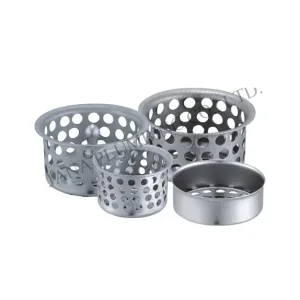
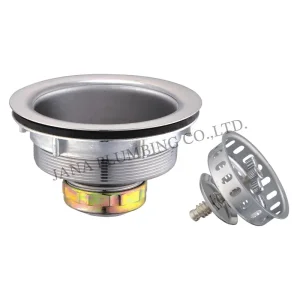
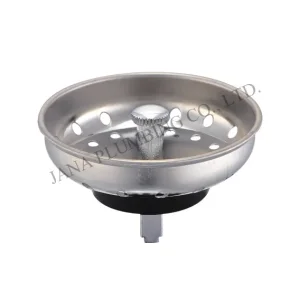
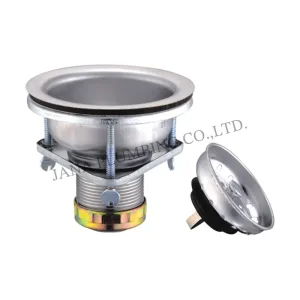
Specialized Sink Strainers, Disposer Fittings & Cleanout Hardware
Explore our secondary matrix of precision-engineered replacement parts, basin strainers, umbrella drains, and commercial sink fittings.
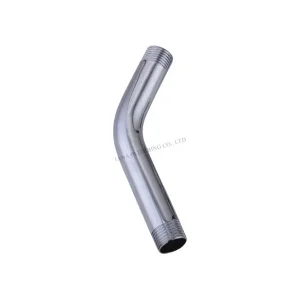
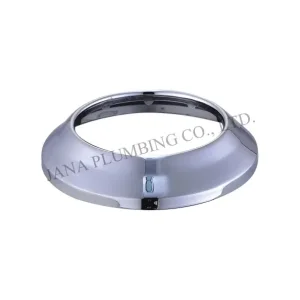
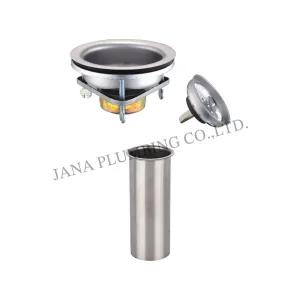
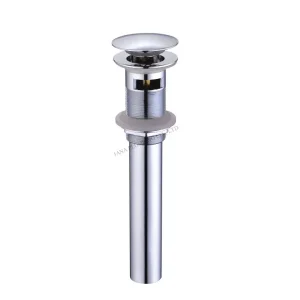
Frequently Asked Questions (Technical & Procurement Guidance)
Answers to common engineering, code compliance, and sourcing questions asked by B2B buyers, wholesalers, and plumbing brand managers.