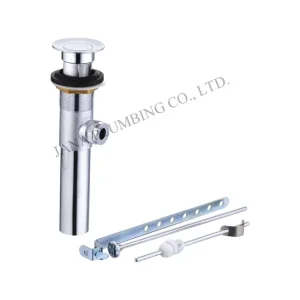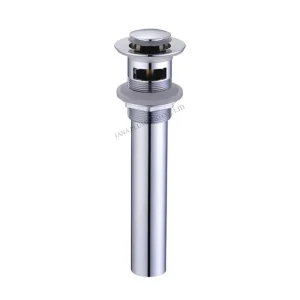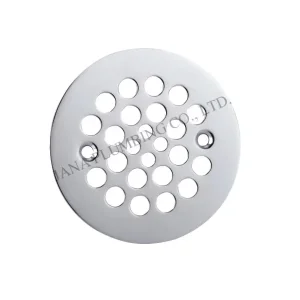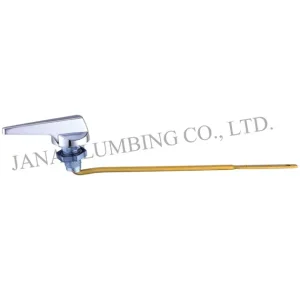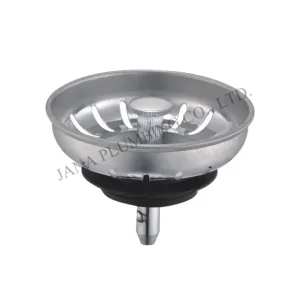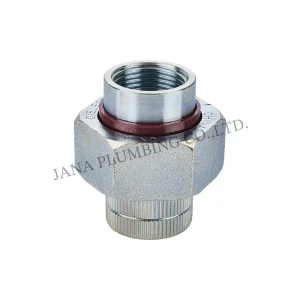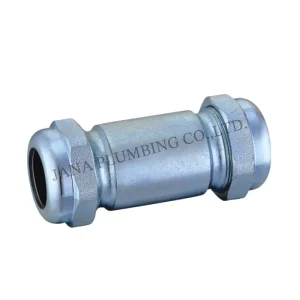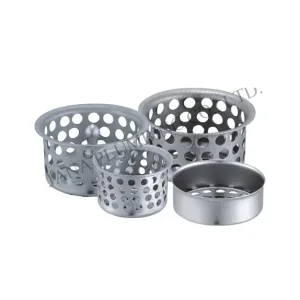
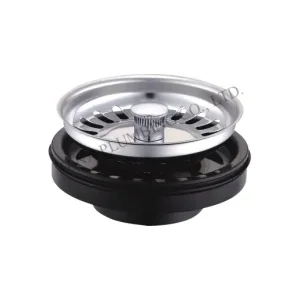
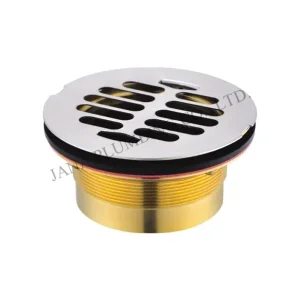
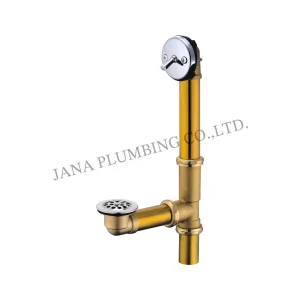
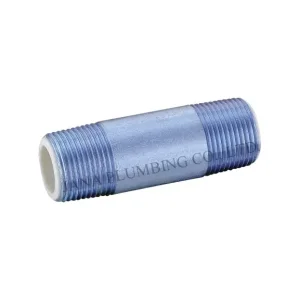
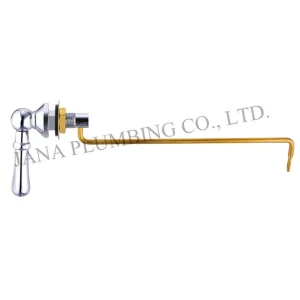
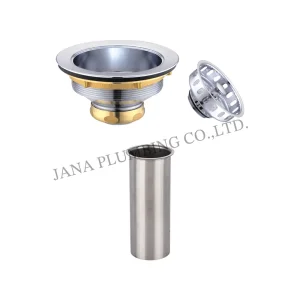
Featured Plumbing & Strainer Components (Batch I)
Precision-engineered sanitary solutions designed for international OEM distributors, contract plumbing suppliers, and high-volume commercial developments.
1. Executive Overview: The Paradigm Shift in Macro Plumbing Drainage Infrastructure
The global building materials, sanitary ware, and drainage fitting sectors are experiencing a structural transformation driven by material science advancements and Total Cost of Ownership (TCO) optimization. Historically dominated by heavy metallic alloys such as cast brass, bronze, and stamped stainless steel, kitchen sink strainers, lavatory drains, and utility waste units are increasingly utilizing high-grade thermoplastic polymers.
When analyzing the market position of a premier China Economy Plastic Strainer Supplier & Factory, procurement directors must evaluate the macro shift toward economic plastic strainers (engineered predominantly from High-Density Polypropylene, ABS, and Polyolefin compounds). Modern injection-molded plastic strainers provide near-zero corrosion risk, exceptional thermal resistance up to 100°C continuous fluid cycle testing, and drastic weight reductions that reduce cross-border freight costs by up to 68% compared to solid brass counterparts.
2. Global Commercial Sourcing Intent & Industrial Demand Vectors
Demographic shifts, rapid urbanization, and modular housing construction have transformed how enterprise buyers specify sanitary hardware across major global regional markets.
Multi-Family & Affordable Housing
Large-scale residential developments in North America, Western Europe, and Southeast Asia demand standardized, low-cost plumbing fittings that mitigate post-installation maintenance. Economy plastic strainers eliminate galvanic corrosion and pinhole leaks caused by aggressive municipal hard water.
RV, Marine & Mobile Infrastructure
Recreational Vehicle (RV) OEMs and naval modular housing fitters operate under strict gross vehicle weight rating (GVWR) limits. Plastic strainer bodies and lightweight drain stoppers minimize structural payload while providing superior chemical resistance to graywater detergents.
Commercial Food Service & Hospitality
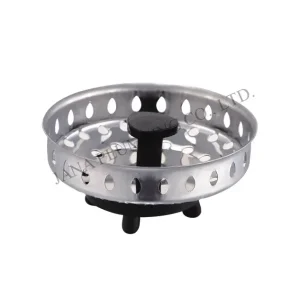
High-volume kitchens, institutional canteens, and food preparation facilities utilize economy plastic strainers featuring micro-perforated polypropylene crumb cups (such as model JN-1104) to trap organic solids, preventing downstream drain lines from grease blockages and costly hydro-jetting service calls.
3. Material Science & Production Technology Roadmap
The engineering efficacy of an economy plastic strainer hinges on resin selection, mold geometry, and precision injection molding protocols. Leading Chinese production facilities utilize state-of-the-art servo-electric injection molding machinery, maintaining dimensional tolerances within ±0.03mm.
Polymer Material Benchmarking
Virgin Polypropylene (PP): Selected for basket strainers and body housing due to its semi-crystalline structure, offering high fatigue resistance during repeated flexural stopper actuation and exceptional immunity to household solvents, bleaches, and boiling water dumps.
Acrylonitrile Butadiene Styrene (ABS): Utilized for high-impact structural components requiring rigid threading, such as strainer locknuts and tailpiece adapters. ABS exhibits superior tensile strength (40-50 MPa) and high surface finish brightness for chrome-plated plastic variations.
Thermoplastic Rubber (TPR / TPE) Seals: Integrated co-molded or dual-shot gasket seals eliminate the traditional need for plumber's putty, providing a liquid-tight compression seal directly against stainless steel or composite granite sink basins.
Advanced Automated Injection Molding Workflow
Modern factory floors in industrial hubs like Zhejiang utilize fully integrated robotic cell systems. Raw resin pellets undergo automated desiccant drying to bring moisture levels below 0.02% prior to melt plasticization.
Computer-controlled hot runner systems maintain uniform melt temperature profiles across multi-cavity molds, preventing thermal degradation, internal voiding, and sink marks. Automated vision inspection tools verify thread concentricity, flash clearance, and snap-fit tolerances in real-time before mechanical packaging.
4. Technical Performance Matrix: Plastic vs. Metallic Strainer Assemblies
A definitive engineering analysis showcasing mechanical, chemical, and financial metrics across strainer manufacturing substrates.
| Performance Parameter | Engineered Polypropylene (PP) | High-Impact ABS | Cast Solid Brass (CW617N) | Stamped 304 Stainless Steel |
|---|---|---|---|---|
| Specific Gravity / Density | 0.90 - 0.91 g/cm³ | 1.04 - 1.07 g/cm³ | 8.40 - 8.70 g/cm³ | 7.93 g/cm³ |
| Corrosion Resistance (pH 2 - 12) | Excellent (Immune) | Very Good | Moderate (Prone to dezincification) | High (Pitting potential under Cl-) |
| Heat Deflection Temp (0.45 MPa) | 100°C - 115°C | 92°C - 98°C | > 300°C | > 400°C |
| Tensile Strength at Yield | 31 - 38 MPa | 40 - 50 MPa | 340 - 450 MPa | 515 - 620 MPa |
| Manufacturing Unit Cost Index | 1.0 (Baseline Economy) | 1.2 (Low Cost) | 4.8 - 6.5 (High) | 3.2 - 4.2 (Medium-High) |
| Gasket Seal Integration | Co-molded TPE (Tooling ready) | Overmolded / Mechanical gasket | External rubber/putty required | External rubber/putty required |
5. Supply Chain Resiliency, Dual-Origin Manufacturing & China OEM Advantages
When partnering with a China economy plastic strainer supplier, industrial buyers benefit from an unmatched industrial cluster ecosystem. China's Zhejiang and Guangdong hardware and plastics clusters integrate polymer raw material refining, precision mold design and tooling manufacturing, automated injection, surface treatment, and packaging within a tight 30-kilometer supply radius.
This concentrated supply chain density yields distinct competitive advantages:
Rapid Tooling Development
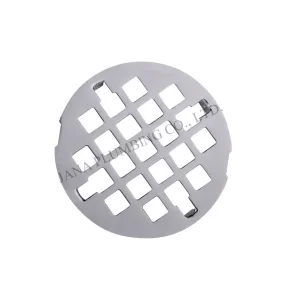
Custom mold creation for proprietary private-label strainer baskets or snap-in grids (such as 3-1/4" OD JN-6320 or 4-1/4" OD JN-6326) can be executed within 15 to 21 days from CAD drawing sign-off, compared to 8 to 12 weeks in European or North American tooling shops.
Dual-Origin Logistics Mitigation
Leading Tier-1 Chinese manufacturers—such as JANA Plumbing—have established secondary production facilities in Southeast Asia (e.g., Thailand factories). This dual-origin capability offers international importers zero-tariff supply chain security under varying geopolitical trade structures.
Agile Packaging Customization
From retail-ready bilingual clamshell blister packs and header card polybags to bulk contractor packaging trays, Chinese OEM factories provide turn-key private label packaging, barcoding, and SKU-level palletization directly off the assembly line.
6. Regulatory Compliance, Plumbing Code Certification & QA Testing Protocols
To legally distribute economy plastic strainers across regulated international jurisdictions, products must strictly adhere to regional plumbing standard specifications. Established factories operate dedicated internal QC laboratories conducting batch-level testing across five core parameters:
North American & International Standards
- UPC / cUPC (IAPMO Listed): Guarantees structural integrity, standard NPSM / NPT thread engagement, and fluid drainage rate compliance under ASME A112.18.2 / CSA B125.2.
- NSF/ANSI 61 & 372: Validates lead-free material safety and non-toxicity when strainers are deployed in potable water contact zones or commercial dishwashing sinks.
- REACH & RoHS Compliance: Restricts hazardous substances, phthalates, and heavy metal colorant additives in plastic resin compounding for Western European entry.
In-House Factory QA Testing Protocols
- Hydrostatic & Vacuum Pressure Testing: Strainer bodies and stopper assemblies undergo 1.5x working pressure liquid static tests to verify seal tightness.
- Thermal Cycling Stress Test: Continuous fluid cycles alternating between 5°C cold water and 90°C hot water over 10,000 cycles to confirm material dimensional stability and zero cracking.
- Torque Resistance: Locknuts and threads are torqued beyond standard installation limits (up to 45 N·m) to prevent thread stripping during contractor installation.
7. Comprehensive Sourcing FAQ: Technical & Commercial Insights
Direct answers to critical procurement questions asked by wholesale buyers, importers, and OEM brand directors.
What makes polypropylene (PP) economy plastic strainers preferable over standard metal strainers for budget housing developments?
Can Chinese factories produce custom colors, metallic finishes, or electroplated finishes on plastic strainer bodies?
How do plastic strainer baskets handle high-temperature hot oil or boiling water poured down the kitchen sink?
What is the typical Minimum Order Quantity (MOQ) when sourcing OEM plastic strainers directly from China manufacturers?
How do no-caulk shower drains and snap-in grids (e.g., JN-6302, JN-6320) simplify installation compared to traditional solvent-weld drains?
Are replacement plastic stoppers and strainer baskets compatible with standard garbage disposal units?
What quality control documentation should an importer request prior to shipping plastic plumbing strainers?
How do dielectric nipples (e.g., JN-3012) and dielectric unions work alongside plastic drain assemblies in hybrid piping systems?
What is the expected lifespan of an engineered polypropylene kitchen sink strainer in a residential environment?
How does dual-sourcing through a manufacturer with both China and Thailand facilities mitigate supply chain risks?
Featured Plumbing & Strainer Components (Batch II)
Explore our complete catalog of pop-up assemblies, replacement crumb cups, dielectric fittings, and high-flow strainer grids.