
Precision-Engineered Lavatory Drains & Strainer Assemblies
Explore our primary B2B inventory of heavy-duty brass grid strainers, pop-up waste assemblies, and commercial sink drain components.
-
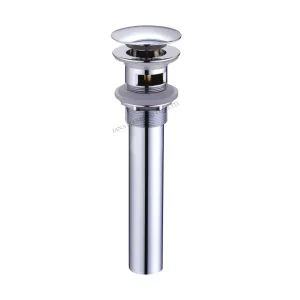 China Brass Round Umbrella Drain JN-5012Request Wholesale Quote
-
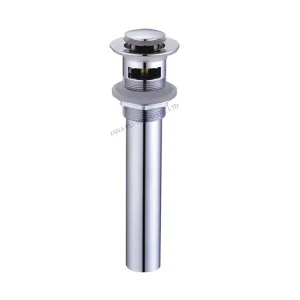 China Brass Pop-up Assembly JN-5014-NOFRequest Wholesale Quote
-
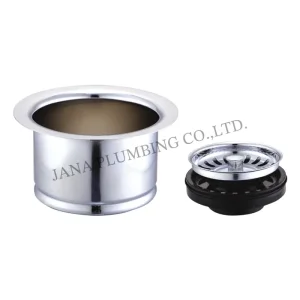 Deep Style Disposer Flange & Stopper Set JN-1304Request Wholesale Quote
-
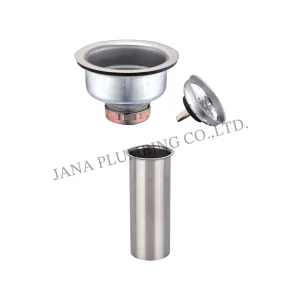 Deep Cup Sink Strainer With Rolling Thread JN-1016-TRequest Wholesale Quote
-
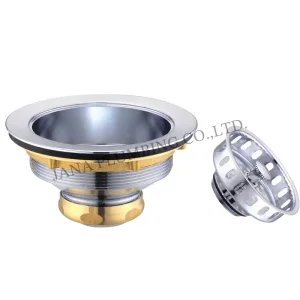 China Heavy Duty Brass Sink Strainer JN-1001-1Request Wholesale Quote
-
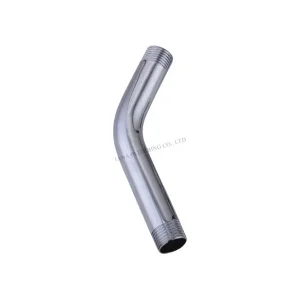 China Shower Arm JN-8004Request Wholesale Quote
-
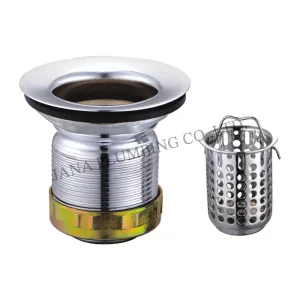 Deep Junior Duo Basket Strainer JN-1205Request Wholesale Quote
-
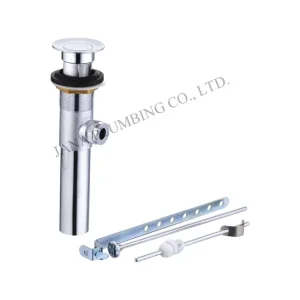 China Professional Pop-up Assembly JN-5008Request Wholesale Quote
Global Commercial & Industrial Status of Lavatory Grid Strainers
An in-depth analysis of the shift toward open-grid commercial lavatory waste assemblies across modern institutional, municipal, and commercial facilities worldwide.
In the global commercial plumbing engineering sector, the lavatory grid strainer (frequently referred to as an open-grid drain or fixed-grid lavatory waste fitting) represents a vital architectural requirement for public and institutional facilities. Unlike residential pop-up drains or plug-and-chain assemblies, commercial lavatory grid strainers are purpose-engineered with an array of fixed, non-removable perforations. This design ensures an unobstructed, continuous path for wastewater while physically preventing users from stopping the drain.
The global demand for high-durability commercial grid strainers has surged dramatically, driven by stringent municipal building codes, universal design guidelines (such as the Americans with Disabilities Act - ADA), and rising facility management costs associated with water overflow damage and vandalism. Commercial properties—ranging from international airports and educational campuses to stadium complexes and healthcare facilities—require lavatory fittings that eliminate overflow hazards while withstanding aggressive chemical cleaning agents and high daily operational cycles.
Information Gain Key Takeaway: Modern architectural specifications in North America and Western Europe increasingly require 1-1/4" cast brass open-grid strainers with 17-gauge or 20-gauge solid brass tailpieces. By replacing mechanical pop-up mechanisms with a static grid, facilities reduce maintenance service calls by up to 84% while complying with standard ASME A112.18.2 / CSA B125.2 plumbing requirements.
From a global procurement perspective, the market is undergoing a structural transition toward heavy-duty, lead-free brass (C37700 forged brass and C36000 free-cutting brass) as well as premium 304 stainless steel grid strainers. Importers, master distributors, and OEM brands require manufacturers capable of meeting rigorous international compliance frameworks—including NSF/ANSI 61 for health effects and AB1953 lead-free mandates—without compromising hydraulic flow rate performance.
China Factory Efficiency & Dual-Plant Supply Chain Ecosystem
How advanced automation, complete vertical integration, and a strategic dual-country manufacturing blueprint deliver unmatched cost efficiency and supply security.
Integrated Metallurgical Production
Our Yuhuan, Zhejiang manufacturing headquarters operates a 100% in-house production chain. From raw brass ingot melting, continuous casting, and hydraulic hot forging to CNC precision turning and progressive stamping, every processing step is executed under strict quality management.
Robotic Machining & Micro-Tolerances
Utilizing multi-axis CNC lathes and robotic arm manipulators, we machine 1-1/4" NPSM threads and 17/20 UNEF tailpiece threads to microscopic precision (±0.02mm). This guarantees smooth installation engagement with standard P-traps and zero leakage under hydraulic pressure tests.
Thailand Manufacturing Synergy
To mitigate international trade barriers and provide supply chain redundancy, our Gateway Enterprise facility in Kabinburi, Thailand (14,400 m²) operates high-speed automated casting and polishing lines, enabling seamless Certificate of Origin (COO) options for global buyers.
Manufacturing Precision: Forged Brass vs. Stamped Metal Grid Bodies
In China's plumbing hardware ecosystem, manufacturing efficiency is coupled with material science innovation. For lavatory grid strainers, two primary manufacturing methodologies dictate structural integrity: high-density hydraulic hot forging and heavy-gauge progressive stamping.
| Engineering Attribute | Solid Heavy-Duty Forged Brass | Standard Stamped Stainless Steel | Die-Cast Zinc Alloy (Low Cost) |
|---|---|---|---|
| Structural Density & Tensile Strength | High density (>450 MPa), zero microporosity | Moderate-high, prone to stress cracking | Low density, susceptible to brittle fracture |
| Corrosion Resistance (Dezincification) | Superior (DZR Brass grade available) | Excellent (304 / 316 Grade) | Poor; prone to intergranular corrosion |
| Thread Precision (NPSM / Fine Thread) | CNC Lathe Cut (Tolerance ±0.015mm) | Rolled / Stamped Thread | Molded Thread (Requires manual chasing) |
| Plating Adhesion (Chrome/PVD) | 100% molecular bonding; 96-Hr CASS test pass | Requires specialized nickel primer layer | High risk of blistering and peeling over time |
| Target Application | Commercial, Institutional, Luxury OEM | Standard Commercial, Hospitality Replacement | Budget Residential (Not recommended for public spaces) |
Localized Application Scenarios & Engineering Adaptations
Tailoring lavatory grid strainers to specific institutional environments, plumbing code requirements, and high-abuse commercial installations.
1. K-12 Schools & Higher Education Campuses
Educational restrooms are subject to high physical abuse and intentional drain blocking. Fixed-grid lavatory strainers engineered with tamper-proof grids prevent students from inserting large debris or paper towels into the waste line, protecting school facilities from catastrophic overflow flooding.
2. International Airports & Transit Terminals
Operating 24/7 with millions of annual passengers, transit hubs require maximum hydraulic evacuation speed. Our grid strainers feature 19 to 37 optimized flow orifices that handle up to 7.5 GPM (Gallons Per Minute) without splashing or back-up, ensuring rapid bowl clearance.
3. Healthcare Facilities & Clinical Handwashing Stations
Hospitals require non-overflow grid strainers with smooth interior surfaces to eliminate bacterial shelter zones. Combined with lead-free brass construction and antimicrobial chrome or PVD coatings, our strainers comply with stringent healthcare sanitation standards.
4. ADA Compliant Wheelchair-Accessible Lavatories
Under-sink clearance guidelines in ADA installations demand compact offset tailpieces or low-profile grid bodies. We manufacture 1-1/4" grid strainers paired with offset 17-gauge brass tailpieces that maximize under-counter leg space for wheelchair users.
Global Industry Trends Shaping Lavatory Grid Strainer Innovation
Key technological, environmental, and design shifts redefining commercial sanitary ware manufacturing through 2030.
1. Mandatory Lead-Free Compliance & DZR Alloys
Regulatory frameworks across North America (NSF/ANSI 372, California AB1953) and Western Europe are mandating lead content reductions below 0.25% weighted average across all potable and sanitary drain components that contact water. Leading factories are shifting from traditional C37700 brass to advanced Dezincification-Resistant (DZR) Lead-Free Brass alloys (such as C46500 or C27453). These materials maintain superior hot forging workability while ensuring total compliance with global health regulations.
2. Advanced Physical Vapor Deposition (PVD) Decorative Finishes
While mirror-polished chrome remains the benchmark for institutional projects, commercial architecture is increasingly specifying premium designer finishes for boutique hotels and modern corporate headquarters. Advanced factory plating lines now incorporate Multi-Layer PVD (Physical Vapor Deposition) technology, applying titanium alloy coatings in Matte Black, Brushed Gold, Gunmetal Gray, and Brushed Bronze. PVD finishes provide surface hardness exceeding 2000 HV (Vickers Hardness), guaranteeing resistance against abrasive commercial cleaning chemicals and scratch damage.
3. Hydraulic Anti-Clogging Grid Surface Geometries
Traditional round grid holes can trap hair and lint, restricting water flow over time. Modern engineering utilizes laser-cut slotted grid patterns and counter-sunk orifice geometry. By beveling the underside of each grid hole, surface tension is reduced, allowing hair and micro-particles to flush through while retaining large object blockage capability. This hydraulic enhancement reduces maintenance intervals significantly.
Technical Design Note: Our JN-5012 and JN-5014 series open-grid strainers feature a 2-1/4" top flange diameter with 19 precision-molded drain slots, engineered specifically to prevent surface whirlpool formation and maximize laminar gravity flow down 1-1/4" P-traps.
Global B2B Procurement Requirements & OEM Sourcing Criteria
What professional plumbing hardware buyers, wholesalers, and private-label brand managers must evaluate when selecting a manufacturing partner.
1. Code Certifications (UPC / cUPC / IAPMO)
In North America, uncertified plumbing products cannot clear commercial building inspections. Importers must verify that factories hold authentic IAPMO certificates listing ASME A112.18.2 / CSA B125.2 compliance for waste fittings, including rigorous thread gauge and corrosion testing verification.
2. Tailpiece Gauge & Length Options
Commercial job sites require varying tailpiece lengths (4", 6", 8", or 12") and tube wall thicknesses (17-gauge heavy commercial vs. 20-gauge standard). A competent OEM factory must offer seamless customization of tailpiece tubing—including direct soldering or slip-joint threading.
3. Leak-Tight Gasket & Locknut Engineering
A grid strainer's longevity relies heavily on its sealing hardware. Quality procurement specifications demand extra-thick EPDM or silicone bevel rubber washers paired with heavy-duty cast brass locknuts (or zinc-alloy locknuts for budget tiers) that prevent backing off under vibration.
Deep Industry Q&A: Lavatory Grid Strainer Technical Specifications
Direct technical answers to common engineering, procurement, and installation questions asked by B2B buyers.
What is the key difference between a lavatory grid strainer and a pop-up drain assembly?
When should an overflow vs. non-overflow lavatory grid strainer be specified?
What standard thread sizes are used for commercial lavatory grid strainers?
Why are 17-gauge brass tailpieces specified for commercial engineering projects?
What plumbing compliance certifications do your factory strainers carry?
Can your factory provide custom PVD finishes and private-label packaging for OEM brands?
Additional Sanitary Ware & Drain Components
Browse our extended product lines, including pop-up assemblies, conversion kits, slip joint nuts, and disposer accessories.
-
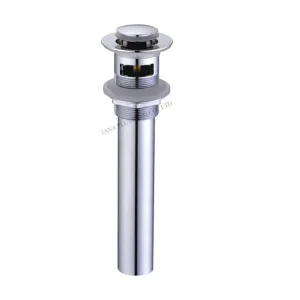 Brass Pop-up Assembly JN-5014-NOF-LRequest Wholesale Quote
-
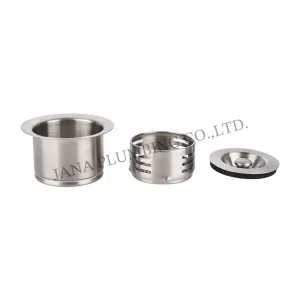 Disposer Flange & Stopper Set JN-1309Request Wholesale Quote
-
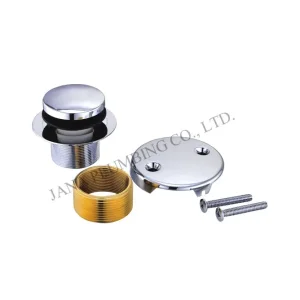 Toe Touch Conversion Kit-2 Hole JN-6112Request Wholesale Quote
-
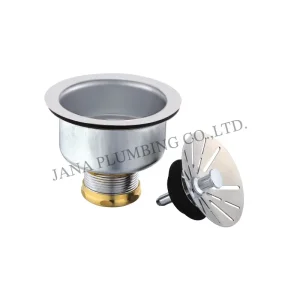 Deep Cup Strainer Ball-bearing Basket JN-1005Request Wholesale Quote
-
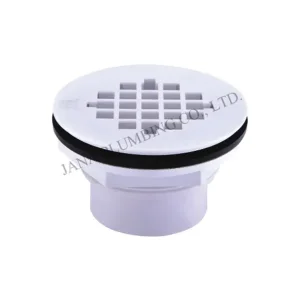 China Plastic Shower Drain JN-6307Request Wholesale Quote
-
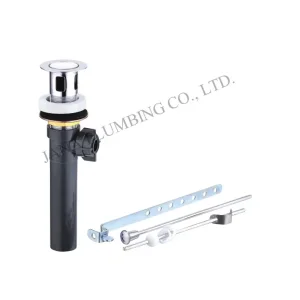 China Brass/ABS Pop-Up Assembly JN-5009Request Wholesale Quote
-
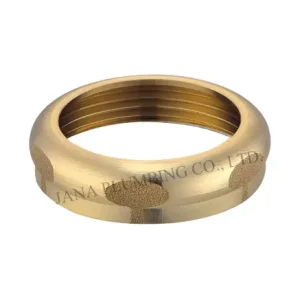 Wholesale Brass Slip Joint Nut JN-3009Request Wholesale Quote
-
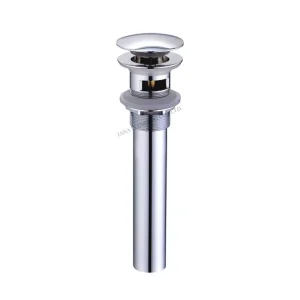 Brass Round Umbrella Drain JN-5012-NOF-LRequest Wholesale Quote
Partner with a Certified Lavatory Drain Manufacturer
Direct factory pricing, OEM sample evaluation within 7 days, and flexible dual-country manufacturing options in China and Thailand.
Contact Our Engineering Sales Team