
Precision Drain Assemblies & Industrial Strainers
Explore our heavy-duty brass and stainless steel plumbing components, manufactured to rigorous ASTM, ISO, and UPC standards for professional distributors and commercial contractors.
Global Commercial & Industrial Status of Metric Compression Fittings
In modern industrial engineering, Metric Compression Fittings represent the backbone of leak-free fluid control, pneumatic power transfer, and high-pressure hydraulic circuitry. Unlike traditional fractional imperial fitting systems, metric compression standards—governed predominantly by ISO 8434-1 and DIN 2353 specifications—have surged in global market share due to the international harmonization of manufacturing equipment, green energy installations, and cross-border industrial automation projects.
The global demand for high-reliability brass, stainless steel (SS316/304), and carbon steel metric compression fittings is expanding at a projected CAGR of 6.2% over the next decade. Key macroeconomic catalysts include the rapid scaling of green hydrogen transport, automated process plants, semiconductor cleanroom piping, and heavy-duty OEM mobile machinery across North America, Europe, and Asia-Pacific.
Technical Insight: The Shift from Imperial to Metric Standardization
Global original equipment manufacturers (OEMs) are systematically phasing out legacy NPT and BSPT fractional joints in favor of parallel metric threads (M-threads) equipped with elastomeric soft seals (ED-seals) or progressive bite-type cutting rings. This shift reduces system stress concentrations, prevents over-torquing failures, and ensures zero-emission containment of hazardous or high-value fluids.
Engineering Specification Matrix: DIN 2353 / ISO 8434-1 Standard Alignment
| Series Classification | Nominal Tube OD (mm) | Max Working Pressure (PN) | Primary Material Alloys | Key Application Domains |
|---|---|---|---|---|
| Extra Light (LL) | 4mm – 12mm | Up to 100 Bar (1450 PSI) | CW617N Brass, HPb59-1, Aluminum | Low-pressure pneumatics, medical gas, laboratory instrumentation |
| Light Series (L) | 6mm – 42mm | Up to 315 Bar (4568 PSI) | AISI 316L, High-Grade Brass, Carbon Steel | Commercial plumbing, industrial hydraulics, food & beverage processing |
| Heavy Series (S) | 6mm – 38mm | Up to 630 Bar (9137 PSI) | Duplex 2205, SS316, Alloy Steel | Offshore oil & gas, high-pressure hydraulic presses, mining equipment |
China Factory Efficiency & Advanced Metallurgical Edge
China's precision hardware clusters—specifically centered in Yuhuan and Ningbo, Zhejiang Province—have evolved into world-leading hubs for high-volume, hyper-precise metric compression fitting production. By integrating multi-axis CNC Swiss automatic lathes, robotic forge manipulators, and automated optical sorting machines, Chinese manufacturers deliver unparalleled cost-to-performance efficiency without compromising tolerances.
Sub-Micron Machining Tolerances
Utilizing high-speed Japanese and Swiss CNC turning centers, fitting threads, cone angles (24° DIN 3861), and ferrule seats are machined to within ±0.005mm tolerances, guaranteeing instant metal-to-metal sealing upon torque application.
Lead-Free Brass & Alloy Purity
Full compliance with California AB1953, NSF/ANSI 61, and RoHS requirements. Advanced spectral analyzers inspect raw CW617N, DZR brass, and SS316 billets to eliminate structural inclusions and stress corrosion cracking (SCC).
Rapid Prototype to Mass Scaling
In-house tooling centers allow custom OEM metric compression designs to transition from 3D CAD modeling and finite element analysis (FEA) to physical samples in under 10 days, with monthly capacities exceeding 5 million units.
Localized Application Scenarios & Operational Deployment
Metric compression fittings perform critical containment roles across diverse working environments, ranging from extreme mechanical vibration to sterile medical gas delivery. Understanding localized application demands ensures proper material selection and seating specs.
1. Commercial & Residential Plumbing Systems
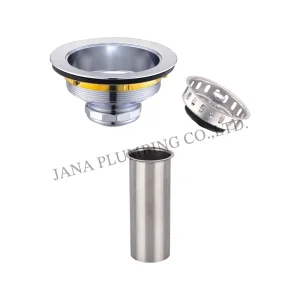
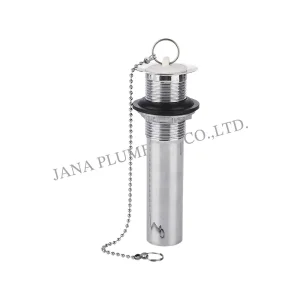
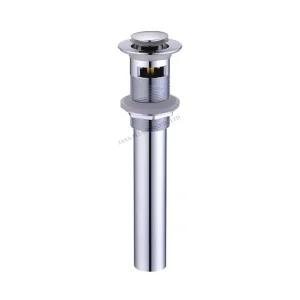
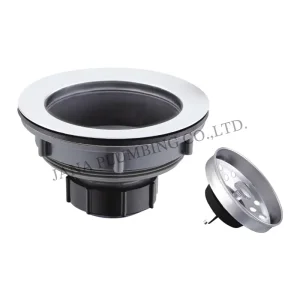
Used extensively in faucet supply lines, drain pop-up linkages, sink strainer tailpieces, and dielectric water heater connections. Brass metric compression joints accommodate copper, PEX, and stainless steel tubing without needing open flame soldering, eliminating fire hazards during building retrofits.
2. Mobile Equipment & Automotive Hydraulics
In agricultural tractors, heavy excavators, and RV brake fluid lines, heavy-series (S) steel compression fittings withstand intense pulsed pressure surges up to 630 Bar and persistent chassis vibration without backed-out nuts or seal degradation.
3. Chemical Processing & Semiconductor Cleanrooms
Ultra-pure 316L stainless steel dual-ferrule metric compression fittings provide leak-tight sealing down to 1 x 10⁻⁹ atm cc/sec helium leak rates. Essential for carrying aggressive acids, solvents, and high-purity process gases.
4. Renewable Energy & Hydrogen Infrastructure
Specialized metric compression fittings with silver-plated internal threads prevent galling during high-torque assembly in hydrogen fueling stations and electrolyzer stacks operating at pressures up to 700 Bar.
Global Enterprise Procurement Needs & Dual-Origin Strategy
For international B2B buyers, sourcing wholesale metric compression fittings is no longer purely about unit price. Risk mitigation, geopolitical tariff protection, regulatory compliance documentation, and stable lead times dictate vendor selection.
Dual-Origin Manufacturing (China + Thailand)
To eliminate geopolitical friction and Section 301 tariff surcharges, top manufacturers operate production footprints in both China (Yuhuan Headquarters) and Thailand (Kabinburi Industrial Zone), giving importers complete supply flexibility.
Material Traceability (EN 10204 3.1)
Enterprise procurement requires full heat code traceability. Every production batch is backed by mill test certificates (MTC), chemical analysis, hardness testing, and pressure burst test reports for total quality assurance.
OEM Private Label Packaging
Custom barcoding, laser marking, localized display packaging, and pre-assembled contractor kits streamline inventory intake for regional building supply chains and retail hardware brands.
Future Trends Shaping the Metric Compression Fitting Industry (2025–2035)
As industrial automation advances toward Industry 4.0 and decarbonization goals accelerate, fluid fitting technology is evolving rapidly across three major technical frontiers:
1. Smart Compression Joints
Integration of micro-strain gauges and IoT pressure sensors directly inside the compression nut body, providing real-time torque retention monitoring and predictive leak detection in remote pipeline assets.
2. Low-Lead & Bismuth Brass Alloys
Global environmental mandates are pushing standard brass formulations toward ultra-low lead (<0.09% Lead) and bismuth-doped brasses, requiring modified tool rake angles and precision high-lubricant machining processes.
3. Surface Hardening Treatments
Advanced plasma nitriding and low-temperature carburization processes applied to stainless steel cutting rings (ferrules) to achieve extreme surface hardness (>800 HV) while preserving base metal corrosion resistance.
Commercial Plumbing & Tank Lever Assemblies
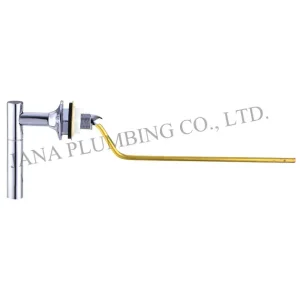
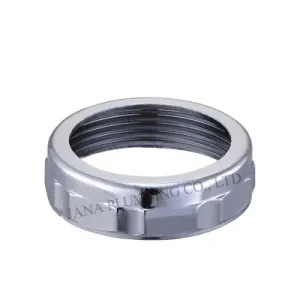
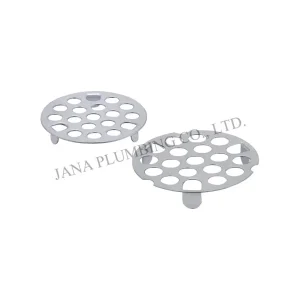
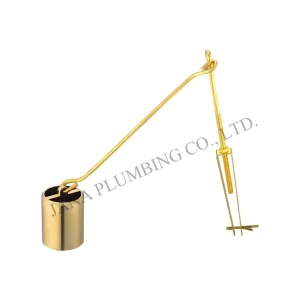
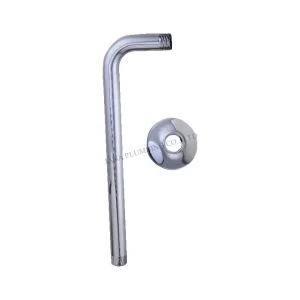
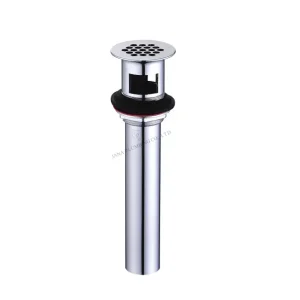
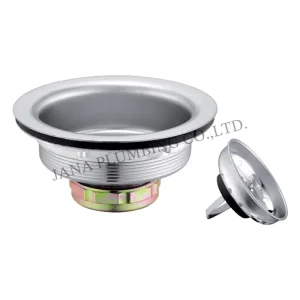
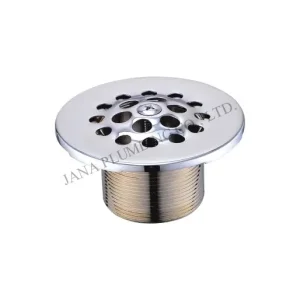
Browse our complete catalog of precision-engineered toilet tank levers, slip joint nuts, shower arms, strainers, and linkages designed for seamless field installation.
Frequently Asked Questions (FAQ) for Procurement Managers
Expert technical answers regarding standard compliance, pressure ratings, material selection, and custom OEM manufacturing.
What is the difference between single-ferrule and dual-ferrule metric compression fittings?
How do I determine whether to specify Light (L) or Heavy (S) series compression fittings?
- Light Series (L): Designed for operating pressures up to 315 Bar (4568 PSI). Used in standard industrial hydraulics, commercial plumbing, and machine tool lubrication lines.
- Heavy Series (S): Designed for severe pressure environments up to 630–800 Bar (9137–11600 PSI) with high impulse loads and heavy vibration, such as press machinery, mining rigs, and subsea oil installations.