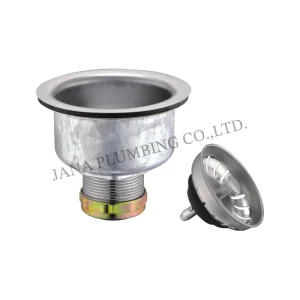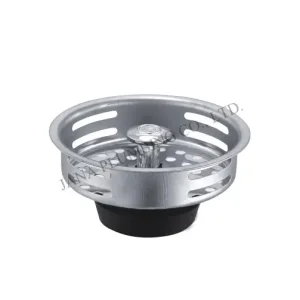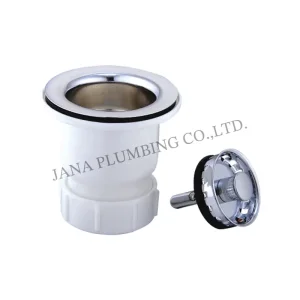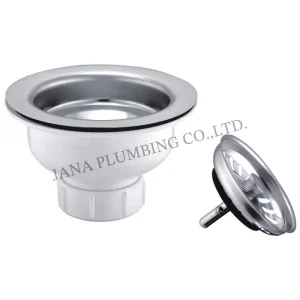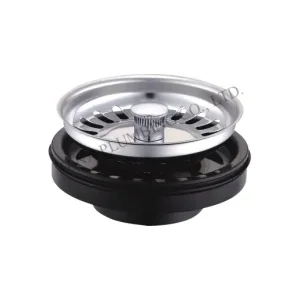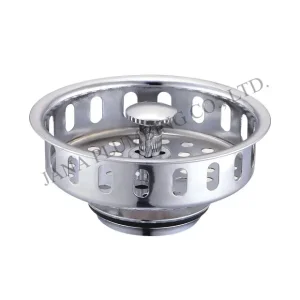
cUPC Certified Pop-Up Assemblies & Drain Components
Explore our core engineering catalog engineered for commercial distributors, OEM private labels, and high-volume plumbing supply houses.
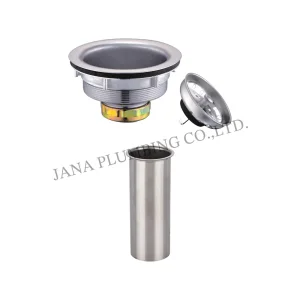
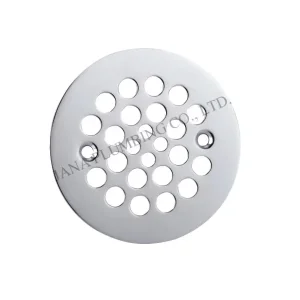
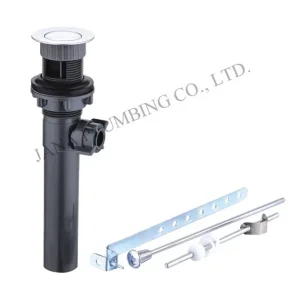
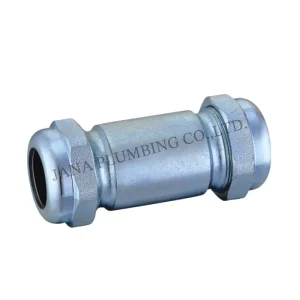
Macro Dynamics in Global Lavatory Drainage Manufacturing
Analyzing supply chain shift, compliance standards, and material innovations in cUPC-certified pop-up assemblies.
In the contemporary global sanitary ware market, the procurement of plumbing fixtures—specifically cUPC certified pop-up drain assemblies—has transitioned from a transactional sourcing mechanism to an intricate exercise in risk management, regulatory compliance, and metallurgical engineering. As North American plumbing codes enforce strict adherence to ASME A112.18.2 / CSA B125.2 standards and state-level zero-lead mandates (such as California's AB1953 and NSF/ANSI 372), wholesale buyers, master distributors, and commercial OEMs can no longer treat pop-up assemblies as simple commodity items.
This technical whitepaper examines the technical framework, global procurement requirements, manufacturing routes, and supply chain strategies necessary for specifying high-performance pop-up assemblies. Furthermore, it details how dual-origin manufacturing models—spanning automated facilities in Yuhuan, China, and Kabinburi, Thailand—provide international buyers with an unshakeable defense against tariff volatility, geopolitical disruptions, and regional production bottlenecks.
Technological Transitions in Pop-Up Drain Engineering
From traditional linkage rods to modern spring-loaded push pop-up architectures: A decade of metallurgical and mechanical advancement.
Mechanical Shift: Push-Button vs. Lift-Rod
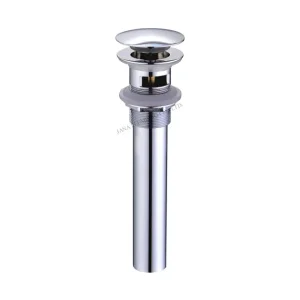
Traditional lift-rod assemblies require precise clevis strap adjustments behind the faucet body, creating a frequent point of failure and complex labor installation. Modern B2B procurement heavily favors spring-loaded "push-button" (touch-clean) click-clack mechanisms that eliminate under-sink linkage entirely, reducing job site installation times by up to 65%.
Metallurgical Superiority: C37700 Brass & Engineered Polymers
The transition from low-grade zinc die-cast bodies to heavy-duty forged C37700 lead-free brass and high-impact ABS/POM engineered polymers prevents premature dezincification and pitting corrosion. High-grade brass tailpieces maintain wall thickness structural integrity under thermal stress and aggressive chemical cleaning agents.
Advanced PVD & Electroplated Surface Metallurgy
Commercial pop-up stoppers are subject to constant water exposure and abrasive wear. Advanced Physical Vapor Deposition (PVD) finishes—such as Brushed Nickel, Matte Black, and Oil Rubbed Bronze—undergo 24-hour CASS (Copper-Accelerated Acetic Acid Salt Spray) testing to guarantee zero flaking or discoloration over decades of commercial use.
Technical Comparison: Assembly Architecture Performance Matrix
Selecting the correct pop-up drain architecture depends directly on the installation environment, intended flow rates, and maintenance protocols. The following matrix illustrates key operational differentiators across common wholesale configurations:
| Mechanism Type | Primary Material | Installation Complexity | Leak Points | Maintenance Lifecycle | Code Compliance Target |
|---|---|---|---|---|---|
| Traditional Lift-Rod | Brass Body / Zinc Linkage | High (Sub-sink calibration) | Multiple (Pivot ball seat, clevis nut) | Requires manual disassembly under sink | ASME A112.18.2 / cUPC |
| Spring Push-Button (Click-Clack) | Solid Forged C37700 Brass | Low (Top-down assembly) | Minimal (Single threaded flange seat) | Top-removable basket strainer cartridge | cUPC / AB1953 / NSF 372 |
| Hybrid ABS/Chrome Pop-Up | Engineered Polypropylene/Chrome Flange | Ultra-Low (Hand-tightened locknut) | Zero (Dual EPDM molded gaskets) | Tool-free top extraction | cUPC Listed / Residential Focus |
| Umbrella Grid Drain (Non-Pop) | Heavy-Duty Cast Brass | Low (Direct tailpiece thread) | Single flange seal | Permanent anti-vandal grid screen | Commercial / ADA Compliant |
Global Sourcing Criteria for Tier-1 Distributors & OEMs
What engineering lead-times, factory certifications, and quality assurances enterprise buyers demand when vetting pop-up drain suppliers.
For corporate purchasing officers representing North American and European plumbing brands, selecting a wholesale pop-up assembly manufacturer involves stringent audit parameters. Quality failures in subsurface drainage fixtures can result in catastrophic water damage claims, costly product recalls, and brand erosion.
1. Total Compliance with the Uniform Plumbing Code (cUPC)
The International Association of Plumbing and Mechanical Officials (IAPMO) enforces the cUPC mark as the definitive benchmark for plumbing product acceptance across the United States and Canada. A fully compliant pop-up assembly must prove compliance with ASME A112.18.2-2020 / CSA B125.2-20. This testing entails:
- Hydrostatic Pressure Endurance: Subjecting assembled bodies and tailpieces to sustained static pressure without localized wall weeping or joint seepage.
- Thread Gage Verification: Straight pipe threads (1-1/4" NPSM tailpiece connections) cut precisely to ANSI/ASME B1.20.1 standards to guarantee seamless mating with standard residential P-traps.
- Flow Rate Optimization: Maintaining unobstructed drainage velocities to prevent standing water accumulation in lavatory basins under high-flow faucet discharge.
2. Lead-Free Metallurgical Integrity (AB1953 & NSF/ANSI/CAN 61)
Under California AB1953 and Section 1417 of the Safe Drinking Water Act, wet-surface plumbing components must contain less than 0.25% weighted average lead content. Tier-1 manufacturers utilize spectrometry testing (XRF analysis) at the raw material billet stage to guarantee that brass alloys strictly conform to C37700 or Eco-Brass specifications prior to hydraulic forging.
3. Universal Compatibility with Overflow & Non-Overflow Basins
A persistent point of friction in inventory management is stocking separate SKUs for lavatory sinks with internal overflow channels versus modern vessel sinks without overflows. Enterprise buyers favor suppliers offering modular body designs with precision-engineered overflow ports that can be universally adapted across ceramic, glass, stone, and cast-iron sink designs.
Macro Supply Chain Solutions: China + Thailand Dual Production
How multi-jurisdictional manufacturing mitigates global trade tariffs, reduces lead-time volatility, and stabilizes component sourcing.
Yuhuan Headquarters (Zhejiang, China)
Established in 1998, the Yuhuan manufacturing hub serves as the central R&D center, housing deep tooling expertise, high-speed CNC multi-axis turning centers, advanced electroplating lines, and comprehensive hydrostatic testing laboratories.
Kabinburi Automated Base (Thailand)
Operational since December 2023, the 14,400 m² Thailand facility in Kabinburi Industrial Zone features automated hydraulic forming, robotic polishing, and automated packaging lines—offering duty-optimized manufacturing for North American importers.
Unified Quality Management (ISO 9001)
Both production bases operate under strict ISO 9001 quality frameworks with synchronized SOPs, shared master gauge calibration, and identical raw material sourcing standards—ensuring absolute cross-facility component interchangeability.
By leveraging a dual-hub strategy, enterprise procurement directors achieve complete operational resilience. Orders can be allocated flexibly based on geopolitical dynamics, tariff optimizations (Section 301 duty exemptions), and regional port throughput capacities without sacrificing technical product specifications.
Technical Roadmap: Next-Generation Drainage Technologies
Emerging trends in smart home integration, anti-clogging ergonomics, and eco-friendly manufacturing methodologies.
As the commercial and residential architectural landscape evolves, lavatory pop-up drain assemblies are experiencing significant engineering innovations. The roadmap for the next decade centers around three key pillars:
1. Tool-Free Anti-Clogging Filter Insertion
Commercial lodging facilities suffer substantial maintenance overhead from clogged drain lines caused by hair and debris. Next-generation pop-up assemblies incorporate top-load removable basket inserts crafted from surgical-grade 304 stainless steel. These inserts trap debris above the main P-trap seat without restricting standard water flow velocities, enabling housekeeping staff to perform routine maintenance in seconds without removing under-sink plumbing.
2. Ultra-Thin Flange Profile Engineering
Contemporary vessel and thin-walled ceramic sinks require low-profile drain flanges to eliminate standing water rings around the drain opening. Precision hydraulic stamping and micro-machined flange chamfers ensure a completely flush transition with the sink basin floor, preventing mineral buildup and biological film accumulation.
3. Sustainable Closed-Loop Electroplating
Future-ready factories are adopting zero-liquid-discharge (ZLD) electroplating systems and environmentally neutral trivalent chrome processes. By reducing heavy metal environmental impacts during manufacturing, suppliers help OEM partners achieve strict ESG (Environmental, Social, and Governance) scorecards and LEED green building project qualifications.
Frequently Asked Questions for Sourcing Managers
Expert answers addressing compliance, manufacturing tolerances, OEM branding, and material selections.
Kitchen, Bath, & Specialty Drain Components
Explore related wholesale strainers, disposal accessories, and specialized fittings manufactured across our dual production facilities.