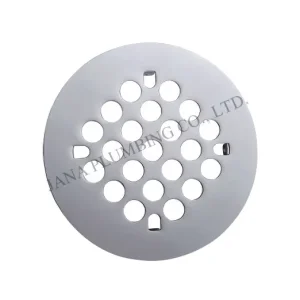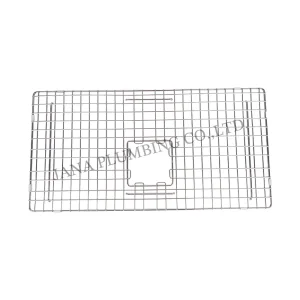
Featured Wholesale Sink Strainer Baskets & Drain Components
Explore our engineering-grade OEM/ODM product portfolio built for international plumbing distributors, brand owners, and commercial projects.
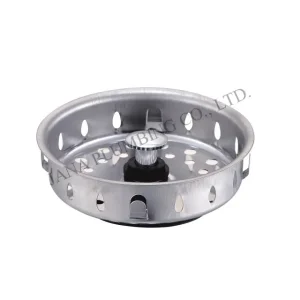
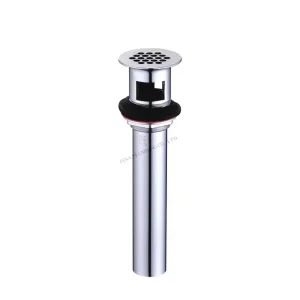
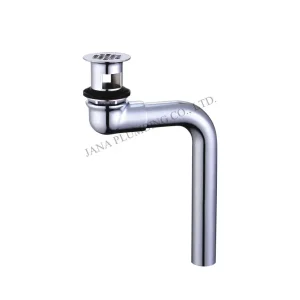
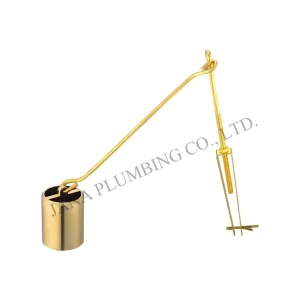
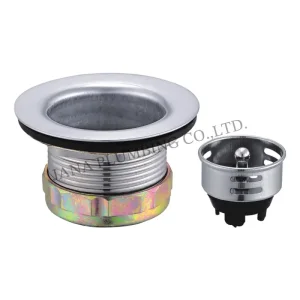
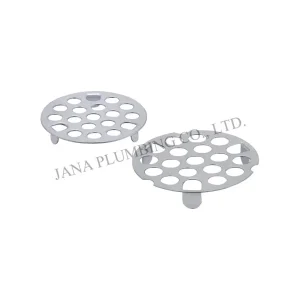
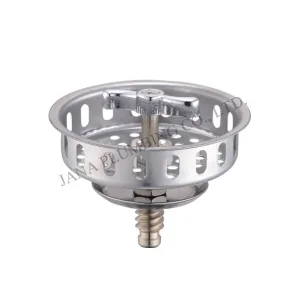
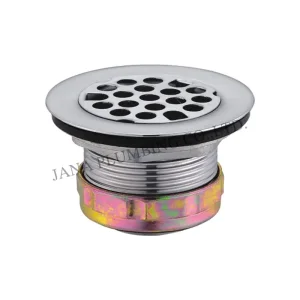
Executive Whitepaper: Industrial Evolution of Sink Strainer Baskets
A comprehensive technical evaluation on structural metallurgy, fluid mechanics, code compliance, and global supply chain dynamics for B2B plumbing sourcing leaders.
In the globalized building materials and sanitary engineering marketplace, selecting a reliable wholesale sink strainer basket supplier requires navigating complex technical parameters far beyond simple aesthetic design. Modern commercial and residential sink strainers act as critical hydraulic control interfaces—preventing structural sewer blockages, managing post-waste fluid disposal, resisting highly aggressive chemical clearing agents, and sustaining thermal shocks ranging from freezing liquid discharges to boiling oil rinses.
As international building codes (such as ASME A112.18.2 / CSA B125.2 and NSF/ANSI 61/372) tighten lead-content limits and fluid discharge mandates, sourcing directors must move past low-tier zinc-alloy commodities toward solid lead-free brass (C37700 / C36000 DZR) and deep-drawn AISI 304/316 stainless steel assemblies. This whitepaper analyzes modern manufacturing breakthroughs, global market procurement behaviors, structural durability standards, and the dual-hub industrial architecture powering high-efficiency factory ecosystems in China.
Industry Trends & Advanced Metallurgy in Plumbing Systems
Global environmental regulations (California AB1953, US Safe Drinking Water Act, European REACH) require strict zero-lead or ultra-low-lead brass compositions. Premium manufacturers utilize Dezincification Resistant (DZR) brass alloys like C35300 or C37700. These materials eliminate selective zinc leaching caused by aggressive chlorinated municipal water supply networks.
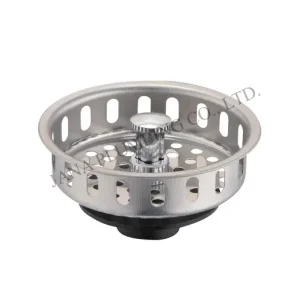
High-volume standard 3.5-inch kitchen strainers are shifting from welded multi-piece constructions to seamless single-piece deep-drawn stainless steel bodies (AISI 304). Deep drawing eliminates internal stress lines, prevents micro-cracking, and provides a mirror-like hygienic inner wall that inhibits bacterial film growth.
B2B buyers are demanding decorative hardware finishes that match designer faucets. Advanced Physical Vapor Deposition (PVD) coating—applying Matte Black, Brushed Brass, Oil Rubbed Bronze, and Gunmetal Titan Chrome at a molecular level—guarantees 96+ hour Neutral Salt Spray (NSS) corrosion resistance without peeling or tarnishing.
Comprehensive Material Comparison Matrix for Strainer Manufacturing
| Material Alloy / Type | Tensile Strength (MPa) | Corrosion Resistance | Yield Rate / Cost Ratio | Target Application Environment |
|---|---|---|---|---|
| C37700 Forged Brass | 440 - 490 | Exceptional (DZR Rated) | Premium / High Value | Commercial Hotels, Heavy-Duty Residential Kitchens |
| AISI 304 Stainless Steel | 515 - 620 | Superior Acid/Alkali Resistance | Optimal Mass Production | Standard Residential, Restaurant Prep Sinks |
| AISI 316 Marine Stainless | 620 - 750 | Maximum Salt Spray & Chemical Resistance | High Cost / Specialty | Laboratories, Marine Vessels, Industrial Food Plants |
| Die-Cast Zinc Alloy (ZAMAK) | 280 - 330 | Moderate (Requires Heavy Plating) | Low Cost / Commodity | Budget Retail Replacement Kits, RV Utility Sinks |
Global Commercial Procurement Requirements & Technical Audit Checklist
Key technical criteria professional buyers must evaluate when selecting a wholesale sink strainer basket factory partner.
Procurement directors sourcing plumbing hardware for international retail channels, large-scale commercial real estate developments, or OEM brand portfolios face stringent regulatory and structural requirements. Below is the structural evaluation framework used by tier-1 global buyers:
The North American market requires UPC/cUPC certification under ASME A112.18.2 / CSA B125.2 standards. Products intended for potable contact or food-contact preparation surfaces must possess lead-free validation (NSF/ANSI 372). In European territories, CE alignment and compliance with EN 274 water trap and waste fitting standards are non-negotiable prerequisites.
Standard North American sink openings measure 3-1/2 inches (89-90mm), whereas European specifications often mandate 114mm (4.5 inch) outer flange dimensions with 1-1/2 inch G-thread or NPT tailpiece connections. Strainer baskets must maintain strict tolerance levels (+/- 0.05mm) on sealing rings and spring ball-bearing latches to guarantee water tightness without binding.
The longevity of a kitchen sink drain depends heavily on gasket material chemistry. Low-grade PVC gaskets dry out, shrink, and crack when exposed to boiling water and detergents. High-tier suppliers utilize Nitrile Butadiene Rubber (NBR), EPDM, or high-temp Food-Grade Silicone seals that retain elasticity across temperature variations from -30°C to 120°C.
China Factory 4.0: Supply Chain Resilience & Precision Manufacturing
How automated production technology and multi-regional manufacturing footprints mitigate geopolitical trade risks while elevating sanitaryware quality standards.
Modern manufacturing plants in Zhejiang, China employ high-speed progressive die stamping presses and robotic manipulator arms. This automation yields tens of thousands of sink strainer baskets daily with absolute wall thickness uniformity, flawless flange curvature, and minimal material waste.
To provide importers with tariff mitigation and supply chain continuity, leading China manufacturers have established secondary automated manufacturing bases in Southeast Asia (such as Thailand). This dual-hub strategy allows global distributors to choose optimal shipping origins while keeping engineering standards identical.
Through ISO 9001 certified Quality Management Systems (QMS), every batch of raw brass or stainless steel coils undergoes spectrographic chemical analysis before entering production. Serialized batch tracking ensures complete transparency from raw billet to boxed final product.
Localized Application Scenarios & Engineering Installation Use Cases
Tailored strainers and drain hardware designed for diverse real-world installations and commercial environments.
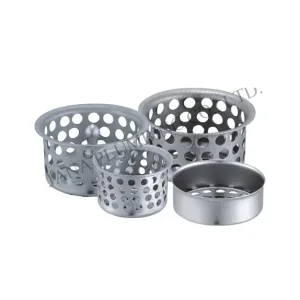
Commercial kitchens in restaurants and cafeterias handle immense organic waste loads and high-temperature grease discharges. Heavy-duty brass or 304 stainless steel strainers with removable deep-crumb cups (such as JN-1104 / JN-1105) prevent solid food debris from clogging grease traps and downstream municipal sewer pipes.
Modern kitchens emphasize matching aesthetics across faucets, undermount granite/composite sinks, and drain fittings. Strainer units finished in Brushed Nickel, Matte Black, or PVD Champagne Gold offer quiet operation (rubber stopper dampening) alongside premium corrosion-resistant visual harmony.
Space-constrained bar prep sinks, mobile homes, and Recreational Vehicles (RVs) require smaller 2-inch to 2-1/2-inch drain cutouts. Compact models (like the Junior Duo JN-1201 or Flat Top JN-1202) provide full strainer function within shallow space profiles, accommodating constrained under-sink cabinetry.
Frequently Asked Questions (FAQ) for B2B Plumbing Buyers
Technical guidance, ordering parameters, compliance details, and customization options for wholesale buyers.
What are the key structural differences between post-rim and fixed-stem strainer baskets?
Which international plumbing codes and certifications apply to wholesale sink strainers?
How do you ensure finish durability against household chemicals and acidic foods?
What is your typical Minimum Order Quantity (MOQ) and production lead time for OEM projects?
Can you produce dual-origin shipments to avoid import tariffs?
What gasket materials do you supply with your wholesale sink strainer assemblies?
How do you handle custom retail packaging and private labeling?
Additional Commercial Drain Fittings & Accessories
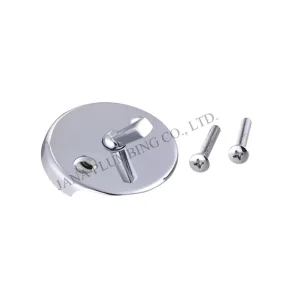
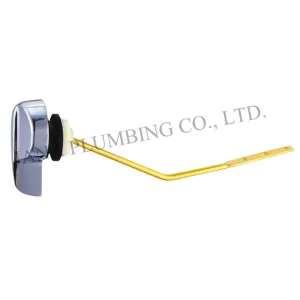
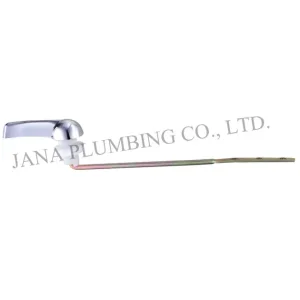
Complete your catalog with our specialized crumb cups, bar strainers, tank levers, and protective sink accessories.