
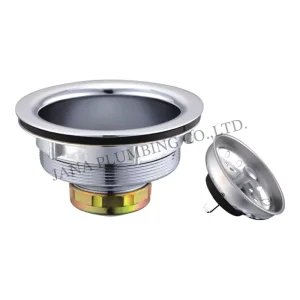
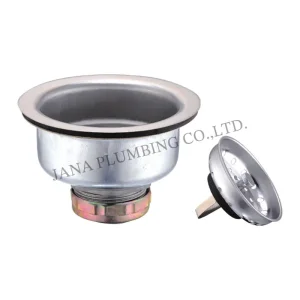
Featured Small Sink Strainers & Fitting Assemblies
Explore our core manufacturing product line, engineered specifically for North American and European commercial, residential, and specialized RV/marine plumbing standards.
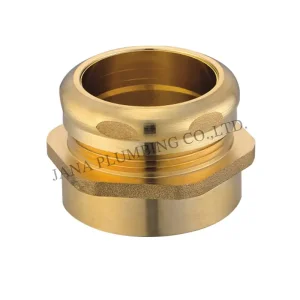
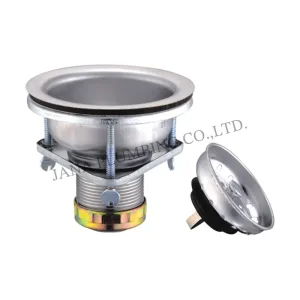
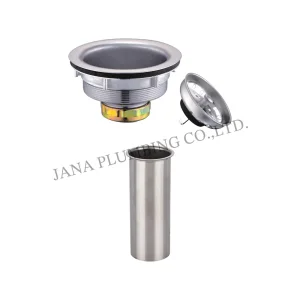
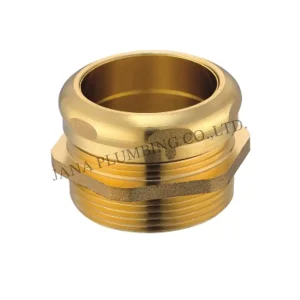
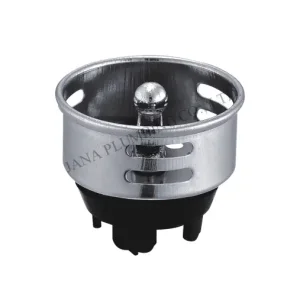
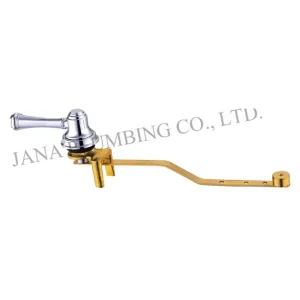
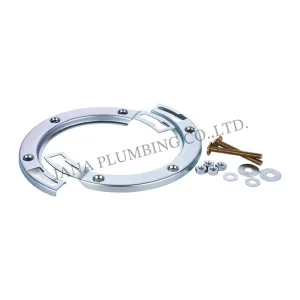
Global Commercial & Industrial State of Small Sink Strainers
In the rapidly evolving global sanitary ware and plumbing component market, the specialized segment of small sink strainer baskets (specifically 2-inch to 2.5-inch nominal drain openings) serves as an essential technological hardware backbone across high-density residential developments, commercial food service facilities, hospitality bar stations, medical cleanrooms, and recreational vehicle (RV) or marine modular units. While standard 3.5-inch kitchen drains dominate general home cooking spaces, small sink strainer baskets address high-velocity, space-constrained, or specialized liquid-solid filtration challenges where space efficiency and hydraulic integrity are paramount.
The international market for compact drain fittings has transitioned from basic stamped steel commodities to highly engineered, code-compliant assemblies. Modern municipal plumbing authorities—most notably across North America (IAPMO / UPC / cUPC) and Europe (EN standards)—enforce strict mechanical, material safety, and environmental regulations. As a direct consequence, procurement officers, brand owners, and plumbing component distributors can no longer rely on uncertified spot-market suppliers. Selecting qualified wholesale small sink strainer basket manufacturers and factories requires a rigorous evaluation of metallurgy, precision stamping, electroplating longevity, and dual-origin manufacturing reliability.
Dual-Hub Manufacturing Strategy: Mitigating Geopolitical Supply Chain Risks
To protect global brand partners from geopolitical volatility, trade tariff spikes (such as Section 301 tariffs), and regional shipping bottlenecks, enterprise OEM manufacturers like JANA Plumbing Co., Ltd. have established fully integrated, dual-country production networks.
Our foundational headquarters in Yuhuan, Zhejiang, China—established in 1998—provides master-level tooling, high-volume hydraulic forging, and specialized electroplating capabilities. To complement this power center, our newly constructed facility—Gateway Enterprise Corporation (Thailand) Co., Ltd. located in the Kabinburi Industrial Zone, Prachinburi, Thailand—became fully operational in December 2023. Spanning 14,400 square meters of automated factory floor space, our Thailand plant grants global importers a legitimate, tariff-optimized, second country of origin without compromising on mechanical tolerances or material specifications.
Technical Architecture & Engineering Specifications
A small sink strainer basket is a multi-component mechanical assembly engineered to withstand thermal shock, harsh household/commercial cleaning detergents, organic food acids, and continuous hydraulic vibration. Understanding the underlying engineering matrix is critical for technical buyers specifying products for private-label lines or institutional construction.
Solid Lead-Free Brass vs. AISI 304 Stainless Steel
While basic promotional strainers utilize low-grade 201 stainless steel or zinc die-cast locknuts that corrode within months, tier-1 manufacturers utilize high-grade C37700 forge brass or heavy-gauge AISI 304 stainless steel. Solid brass bodies offer superior thread machining precision and structural rigidity against high torque during locknut installation.
Perforation Geometry & Flow Rate Optimization
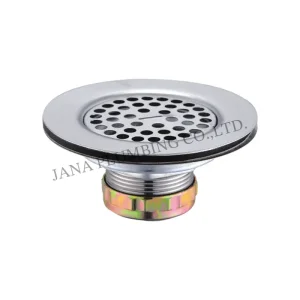
The drainage efficiency of a small basket (e.g., 2" bar strainer) depends on the aperture ratio of its perforated wall. Precision progressive stamping dies ensure clean, burr-free drainage slots that maximize water flow velocity while catching food particulates as small as 1.5mm, preventing costly down-pipe blockages.
Advanced Elastomeric Seals & Thread Profile
To eliminate sub-sink leaks, strainer bodies feature precision cut or cold-rolled NPSM (National Pipe Straight Mechanical) threads paired with custom-molded NBR/EPDM rubber washer gaskets and high-density polyethylene friction rings. This composite design resists plumber putty degradation and handles continuous 180°F thermal fluctuations.
Engineering Comparison: Material Standards for Small Strainer Baskets
| Performance Characteristic | Heavy-Duty Solid Brass (JANA Standard) | SUS304 Deep-Drawn Stainless Steel | Zinc Alloy / Economy Steel (Competitors) |
|---|---|---|---|
| Corrosion Resistance | Exceptional (Passes 96-Hr Neutral Salt Spray ASTM B117) | Superior against acidic food wastes and sanitizers | Poor; prone to pitting, galvanic reaction, and premature failure |
| Mechanical Thread Integrity | Precision CNC-machined NPSM threads; zero cross-threading risk | Rolled threads; good structural strength | Cast threads prone to snapping under standard plumber wrench torque |
| Code Compliance | UPC, cUPC, ASME A112.18.2 / CSA B125.2, AB1953 Lead-Free | cUPC, NSF/ANSI 61 Section 9, NSF/ANSI 372 | Often non-compliant; high risk of failing municipal building inspections |
| Surface Finish Options | PVD, Electroplated Chrome, Brushed Nickel, Matte Black, ORB | Brushed Satin Finish, Electro-polished, PVD coatings | Thin flash plating; prone to flaking and peeling after chemical cleaning |
| Expected Service Life | 15+ Years (Commercial & Residential) | 10–15 Years | 1–3 Years |
Industry Development Trends & Technology Roadmap
Driven by heightened hygiene awareness, automated manufacturing, and stringent environmental mandates, the small sink strainer basket industry is undergoing significant technological upgrades. Forward-thinking OEM buyers must align with factories actively investing in the following operational vectors:
1. Robotic Automation & Vision Inspection
Traditional manual polishing and hand-assembly lead to variance in surface finish and gasket seating consistency. Modern factories utilize multi-axis robot manipulators for automatic hydraulic forming, progressive die stamping, and 100% optical vision sorting. Automated dimensional checking ensures thread tolerance within ±0.02mm, drastically reducing return-to-factory (RMA) rates for distributors.
2. Zero-Lead & Antimicrobial Alloy Development
Regulatory bodies worldwide continue to tighten heavy metal leaching allowances. With California’s AB1953 and national NSF/ANSI 372 laws firmly established, advanced foundries are adopting low-lead brass (less than 0.25% weighted lead content) and copper-rich alloys with innate antimicrobial properties that actively retard bacterial biofilm matrix formation within the drain cup.
3. Physical Vapor Deposition (PVD) Electroplating
While traditional electroplating uses chemical baths that produce environmentally hazardous waste, modern manufacturers are transitioning to eco-friendly PVD vacuum coating technology. PVD provides ultra-hard surface finishes (up to 2000 Vickers hardness) in luxury metallic tones—including Champagne Bronze, Matte Black, and Gunmetal—that resist scratching, harsh acid detergents, and tarnishing.
4. Quick-Connect & Toolless Installation Hydraulics
With labor costs for professional plumbers escalating globally, contractor-grade small sink strainers are shifting toward quick-connect and hand-tighten locking mechanisms. Utilizing specialized stainless steel friction collars and high-torque composite locknuts, modern strainers can be fully installed beneath tight bar sinks without requiring heavy specialty pipe wrenches.
Localized Application Scenarios & Commercial Solutions
The versatile small sink strainer basket operates across diverse commercial, residential, and industrial environments. Factory customization must tailor physical geometry and seals to the exact operational stress of each scenario.
A. Hospitality, Bar Sinks & Commercial Foodservice
Operational Challenge: Bar sinks encounter relentless dumping of citrus juices (high acidity), crushed ice, garnishes, sticky syrups, and caustic glass-washing chemicals. Standard residential drain baskets plug quickly or discolor.
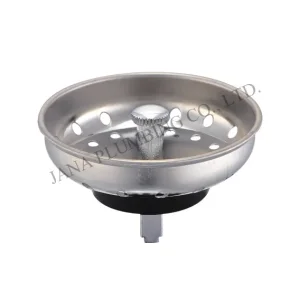
Factory Solution: Deep-cup brass or heavy SUS304 bar strainers equipped with removable, high-capacity mesh basket inserts (such as model JN-1106 Replacement Bar Strainer Basket) allow quick dumping of solid waste without interrupting liquid disposal during peak operational hours.
B. Recreational Vehicles (RVs), Marine & Mobile Living
Operational Challenge: RV prep sinks feature shallow basin depths and thin acrylic or stainless surfaces. Constant chassis vibration during transit causes traditional stiff rubber plumber seal failure.
Factory Solution: Compact, low-profile quick-connect sink strainers (such as JN-1012 and JN-1011-1) engineered with flexible silicone anti-vibration gaskets and shorter tailpiece bodies maximize precious cabinet storage underneath mobile sinks while retaining watertight integrity under road stress.
C. Medical Cleanrooms, Laboratories & Dental Basins
Operational Challenge: Specialized prep basins must withstand continuous flushing with harsh disinfectant agents, alcohol solutions, and biological fluids while maintaining zero biological build-up in drain crevices.
Factory Solution: Electropolished AISI 304 flat-top strainers (model JN-1017) featuring seamless radius corners and flush-mount rim geometries ensure easy wipe-down sanitation with zero biological trap pockets.
D. High-End Residential Kitchen Island Prep Sinks
Operational Challenge: Modern luxury kitchens frequently incorporate secondary prep islands or butler pantries where aesthetic harmony with high-end designer faucets is mandatory.
Factory Solution: Custom finish deep-cup brass strainers (model JN-1016) with rolling threads, offered in seamless color-matched PVD finishes, combining deep-capacity debris filtering with furniture-grade visual elegance.
OEM/ODM Procurement Protocol for Wholesalers & Brands
Transitioning a product line to a new manufacturing partner demands rigorous verification to avoid quality degradation, delayed shipments, or code non-compliance penalties. Importers should utilize the following 4-step framework when auditing potential manufacturers:
Certification & Standard Verification
Always demand verified UPC/cUPC certificate listing numbers directly searchable on the IAPMO R&T official directory. Ensure the manufacturer’s foundry operates under ISO 9001:2015 quality management and holds official AB1953 lead-free compliance documents verified by independent testing laboratories.
In-House Quality Control & Testing Capabilities
Inquire whether the manufacturing plant performs in-house spectral metal analysis (XRF spectrometers to verify brass alloy purity), hydrostatic pressure leak testing (minimum 0.2 MPa continuous water seal pressure), and automated Salt Spray Testing (ASTM B117) to prove plating adhesion.
Custom Packaging & Retail Readiness
For retail and e-commerce brands, verify that the factory supports full OEM private labeling—including laser-etched branding on stainless stoppers, custom blister/clamshell packing, high-definition barcoded color boxes, and bulk master carton palletization optimized for Amazon FBA or distribution center cross-docking.
Supply Chain Resilience & Origin Optimization
Evaluate whether the supplier offers multi-origin shipping capabilities. Utilizing a manufacturer with active factories in both China and Thailand allows buyers to shift order volume dynamically based on international tariff structures, port congestion, or regional lead-time requirements.
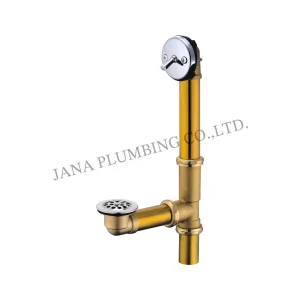
Complete OEM Drain Assemblies, Flanges & Accessories
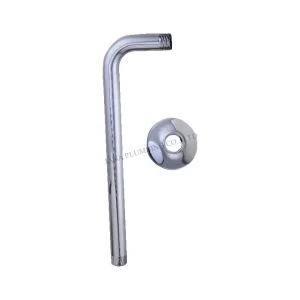
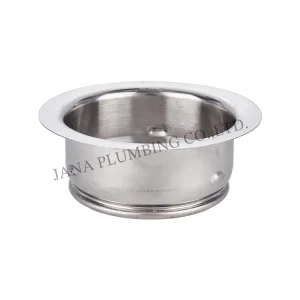
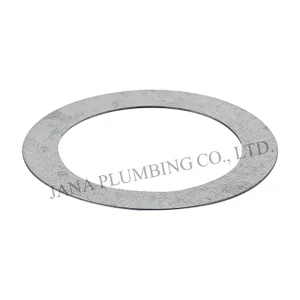
Discover our supplementary range of precision-engineered brass fittings, garbage disposer accessories, and specialized drain hardware built to match our small strainer lines.

Frequently Asked Questions (FAQ) for B2B Procurement
Get immediate technical answers regarding material selection, certification compliance, manufacturing minimums, and shipping routes.