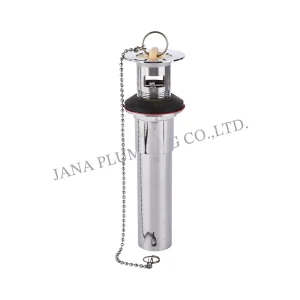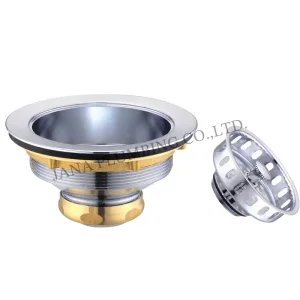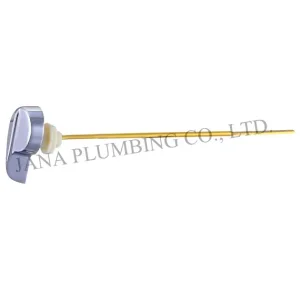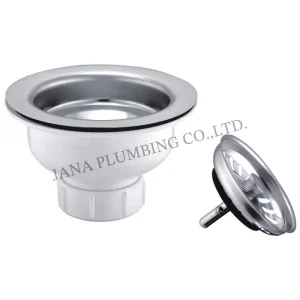
Precision Drain & Strainer Assemblies
Engineered for seamless integration, code compliance, and commercial durability.
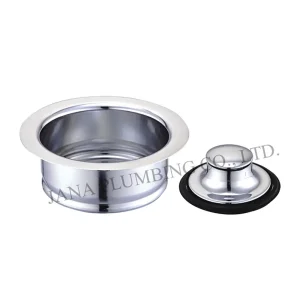
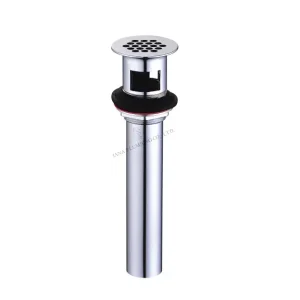
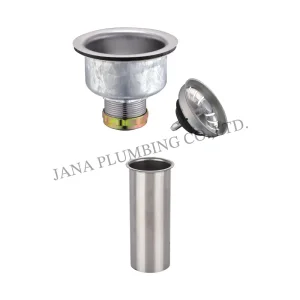
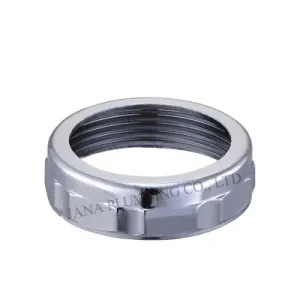
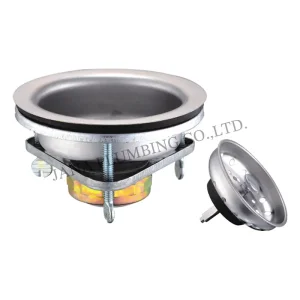
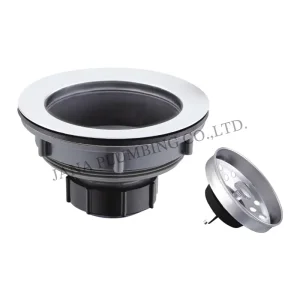
1. Executive Overview: Sourcing High-Performance Stainless Steel Basket Strainers
In modern architectural plumbing, commercial food processing, and residential kitchen fittings, the stainless steel basket strainer serves as the critical first line of defense in drainage systems. Beyond simple debris retention, a engineered basket strainer assembly dictates flow dynamics, fluid velocity, sealing integrity, and long-term corrosion prevention. For global procurement managers, distributor chains, and OEM sanitaryware brands, selecting the right wholesale manufacturer requires a deep technical audit that goes far beyond surface aesthetics.
This industry whitepaper evaluates the critical engineering standards, material chemistry, dual-origin manufacturing strategies (China & Thailand), and compliance frameworks required when sourcing high-volume wholesale stainless steel basket strainers and specialized drainage hardware.
Key Procurement Takeaway: Modern supply chain resilience demands dual-origin manufacturing capabilities combined with full metallurgical traceability (AISI 304/316 grade stainless steel) and compliance with North American plumbing standards including ASME A112.18.2 / CSA B125.2.
2. Metallurgy & Material Engineering Standards
The operational lifespan of a sink strainer is directly governed by its alloy composition and surface passivation treatments. Lower-grade austenitic or ferritic alloys (such as SS201 or SS430) are prone to pitting corrosion, stress cracking, and chemical degradation when exposed to acidic food scraps, chlorine cleaners, and hard water minerals.
| Material Specification | Chemical Composition | Corrosion Resistance (PREN) | Best Application Environment |
|---|---|---|---|
| AISI 304 (UNS S30400) | 18% Cr, 8% Ni | 18.0 - 20.0 | Standard Residential & Light Commercial Sinks |
| AISI 316 (UNS S31600) | 16% Cr, 10% Ni, 2% Mo | 23.0 - 25.0 | Heavy Commercial Kitchens, Marine & Coastal RVs |
| Lead-Free Brass (CW617N / C37700) | Cu 57-59%, Pb < 0.2% | N/A (Dezincification Resistant) | Heavy-Duty Threaded Bodies & Commercial Locknuts |
Key Structural Components of a Professional Basket Strainer
- Strainer Body & Deep Cup: Precision deep-drawn AISI 304 stainless steel or forged lead-free brass, eliminating weld seams that could gather bacteria or initiate corrosion.
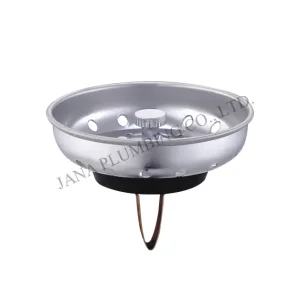
- Ball-Bearing / Spring-Clip Post Basket: Designed for tactile locking positioning, allowing dual functionality (full drainage flow vs. watertight seal).
- Sealing Gaskets (EPDM vs. Nitrile/NBR): EPDM seals offer superior thermal tolerance (-40°C to +120°C) and resistance to boiling grease, while NBR provides maximum hydrocarbon resistance.
- Die-Cast Slip Joint & Locknuts: Heavy-gauge brass or zinc alloy construction capable of withstanding high torque installation without thread stripping.
3. Dual-Origin Manufacturing Advantage: China & Thailand Facilities
Global geopolitical shifts, tariff fluctuations, and supply chain disruptions have reshaped international procurement strategies. To guarantee supply continuity and competitive landed costs, leading manufacturers operate dual-origin production ecosystems.
Yuhuan, China Headquarters
Established in 1998, serving as the R&D center, precision mold fabrication foundry, deep-drawing stamping hall, and automated electroplating hub.
Kabinburi, Thailand Plant
A modern 14,400 m² automated facility operational since Dec 2023, offering tariff-exempt origin for North American buyers seeking risk mitigation.
Total Traceability & QC
Every batch undergoes XRF alloy spectrometry, 24-hour neutral salt spray (NSS) testing, hydrodynamic leak audits, and mechanical thread gauge verification.
4. Global Enterprise Procurement & OEM/ODM Sourcing Matrix
When sourcing wholesale stainless steel basket strainers, enterprise buyers must balance Total Cost of Ownership (TCO) with OEM customization flexibility. Key customization vectors include:
- PVD & Decorative Finishes: Physical Vapor Deposition (PVD) finishes—including Matte Black, Brushed Brass, Rose Gold, and Satin Nickel—must be molecularly bonded to resist abrasion and color shift over decades of daily scrubbing.
- Custom Branding & Packaging: Laser-etched brand logos on strainer rims, barcoded retail blister packs, or bulk contractor multi-packs customized for efficient warehouse handling.
- Thread & Fitting Compatibility: Tailpiece compatibility matching 1-1/2" NPSM or BSP threads to accommodate North American PVC J-bends or European P-traps.
5. Industry Trends Shaping Drainage Technology
The sanitaryware sector is undergoing significant evolution driven by hygiene standards, residential architectural trends, and environmental legislation:
- Anti-Microbial & Nano-Coated Surfaces: Integration of hydrophobic nano-coatings that prevent water spots, oil adhesion, and bacterial biofilm accumulation inside the deep cup strainer.
- Quick-Connect & Toolless Installation: Engineering strainers with quick-locking nuts or spring-loaded collars that drastically reduce installation labor time for contractors.
- Zero-Lead Mandates (AB1953 & NSF 372): Global transition toward strictly lead-free plumbing components, ensuring that even waste drainage hardware complies with modern safe drinking water acts.
6. Localized Application Scenarios & Installation Engineering
Stainless steel basket strainers are deployed across diverse environments, each demanding tailored material configurations:
Commercial Foodservice & Restaurants
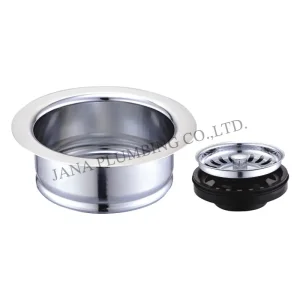
High-volume commercial kitchens require heavy-duty deep cup strainers (such as model JN-1006-T) fitted with ball-bearing post baskets capable of capturing solid food particles without slowing down drainage velocity or clogging grease traps.
Recreational Vehicles (RV) & Marine Applications
Space-constrained RV sinks demand compact strainer flange and stopper sets (e.g., JN-1301 series) engineered with corrosion-proof alloys to withstand variable water quality and constant road vibration.
High-End Residential Architectural Sinks
Luxury residential projects focus heavily on finish coordination. Matching stainless steel strainers to quartz, composite, or Fireclay sinks requires specialized wide-rim flanges and custom PVD decorative finishes.
7. Compliance Framework & Quality Certifications
Securing market access in North America and Europe requires strict adherence to international plumbing codes. Importers must verify that their manufacturing partner maintains valid certifications:
- cUPC / UPC Listing: Compliance with ASME A112.18.2 / CSA B125.2 standards governing waste fittings.
- ISO 9001:2015: Quality Management System certification across raw material receiving, forging, machining, polishing, and final testing.
- AB1953 Compliance: Verification of lead-free brass formulations for components contacting potable rinse water.
Frequently Asked Questions (FAQ)
Technical insights for wholesale buyers, OEM engineers, and plumbing distributors.
What is the difference between 304 and 316 stainless steel basket strainers?
How do your dual China and Thailand factories benefit international buyers?
Which certifications cover your basket strainers and waste fittings?
Can you manufacture custom OEM strainers based on engineering drawings?
What gaskets and sealing materials are supplied with the strainers?
What are the typical lead times for wholesale factory orders?
Additional Drainage & Sanitary Components
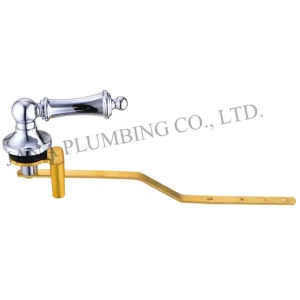
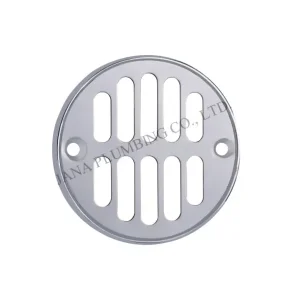
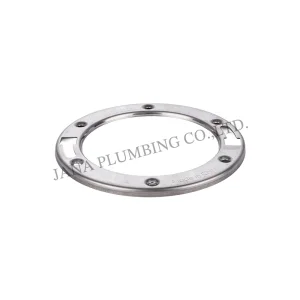
Explore our complete catalog of sink strainers, levers, plugs, and flange assemblies.