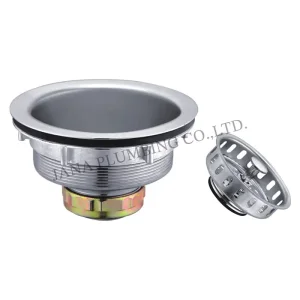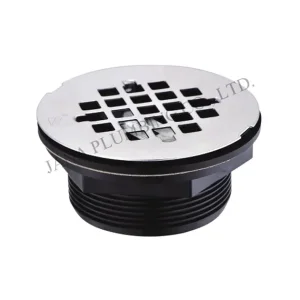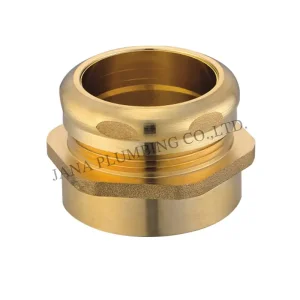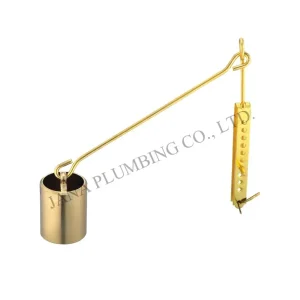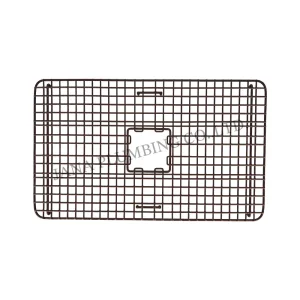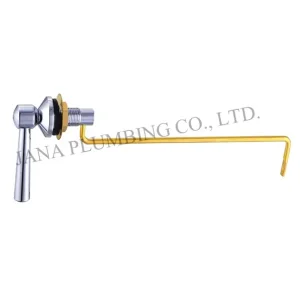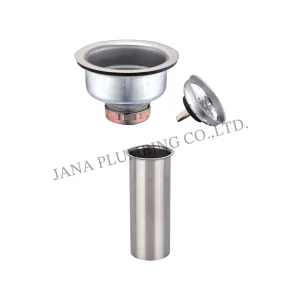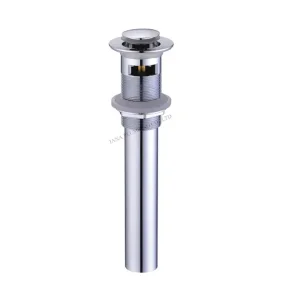
Featured Sanitary & Drainage Component Catalog (Part I)
Precision-engineered replacement assemblies, junior duo strainers, and decorative fixtures built for North American and European building codes.
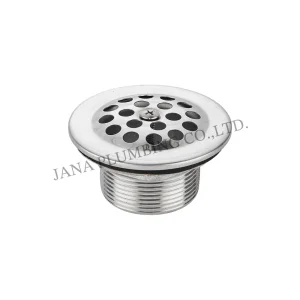

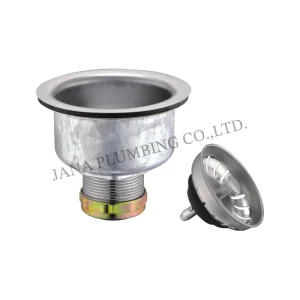
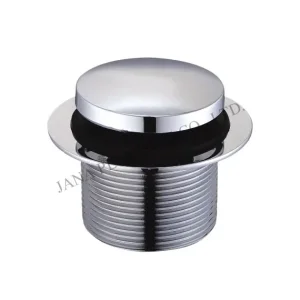
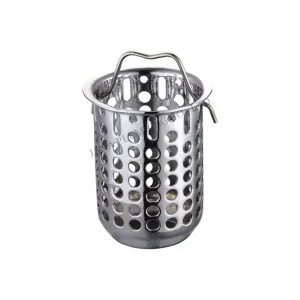
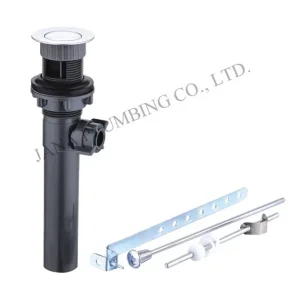
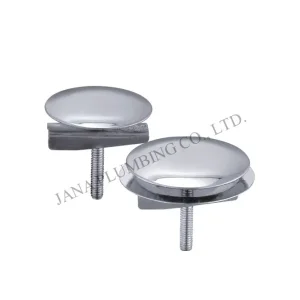
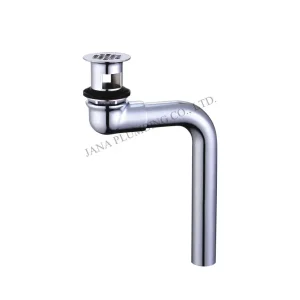
Executive Technical Summary: The Strategic Evolution of Drain Strain Manufacturing
In modern architectural engineering and high-volume commercial sanitary procurement, the modest drain strainer has evolved from an overlooked hardware commodity into a high-precision, fluid-dynamically optimized safety component. Global enterprise buyers—ranging from commercial kitchen equipment OEMs and luxury residential developers to big-box hardware distributors—are enforcing unprecedented standards on material purity, corrosion resistance, and structural longevity. Sourcing managers are no longer merely looking for low-cost suppliers; they demand certified Wholesale Stainless Steel Drain Strain Manufacturers capable of providing audited metallurgical compliance, low-lead or lead-free brass integration, and full traceabilities across multi-regional supply chains.
As fluid management system requirements become more stringent globally, stainless steel—specifically AISI 304 (UNS S30400) and AISI 316 (UNS S31600)—has surpassed traditional cast metals and unreinforced polymers in key architectural and industrial applications. This technical whitepaper explores the macro market shifts, metallurgical advancements, code compliance benchmarks (such as UPC/cUPC, ASME A112.18.2/CSA B125.2, and NSF/ANSI 61), and advanced manufacturing paradigms defining China's Industry 4.0 production ecosystem alongside dual-origin redundancy strategies.
Fluid Dynamics & Anti-Clogging
Modern strainer baskets utilize laser-punched micro-perforations or stamped slot geometries optimized to maintain a minimum 15 GPM (gallons per minute) drainage speed while filtering organic solids down to 1.5mm particle sizes.
Surface Passivation & PVD
Electro-polishing and Physical Vapor Deposition (PVD) finishes (Matte Black, Brushed Nickel, Antique Bronze) ensure decorative drain assemblies resist chemical oxidation and acidic cleaning agents over decades.
Zero-Leak Mechanical Seals
Incorporating engineered NBR, EPDM, and food-grade silicone die-cut gaskets paired with deep-cut rolled threads guarantees hydro-static seal integrity up to 50 PSI working pressure.
Global Industry Trends: Metallurgy, Materials & Advanced Surface Engineering
The commercial plumbing landscape is experiencing a fundamental material transition. Historically, zinc die-cast strainers and low-grade brass dominated lower-tier procurement. However, premature galvanic corrosion, pitting caused by harsh sanitizing chemicals (such as quaternary ammonium compounds and chlorine bleach), and strict environmental heavy-metal mandates have catalyzed a global shift toward high-purity stainless steel drain strainer assemblies.
| Material Grade | Nominal Chemical Composition | Pitting Resistance (PREN) | Primary Application Environment | Corrosion & Acid Resistance |
|---|---|---|---|---|
| AISI 304 Stainless Steel | 18% Cr, 8% Ni, Balance Fe | ~ 19.0 | Residential Kitchens, RV Plumbing, Standard Commercial Sinks | High resistance to atmospheric exposure and organic acids. |
| AISI 316 Stainless Steel | 16% Cr, 10% Ni, 2.0% Mo | ~ 25.0 | Marine Sinks, Chemical Laboratories, Coastal Hospitality | Superior resistance to chlorides, saline mist, and harsh solvents. |
| C37700 Forged Brass | 59% Cu, 38% Zn, 2% Pb (or Lead-Free C36000) | N/A (Galvanic base) | Heavy-Duty Commercial Waste Assemblies, Heavy Locknut Fittings | Excellent mechanical strength; requires electroplating for acids. |
| ABS / PP Polymer Hybrid | Engineered Thermoplastic with Stainless Trim | N/A | Budget Hospitality, Residential Bath Vanity Units | Immune to chemical corrosion; lower mechanical shear tolerance. |
Key Trend 1: Deep-Drawing Hydroforming Technology
Traditional multi-piece welded sink strainers introduce localized stress points and microscopic weld seams prone to crevice corrosion. Leading OEM factories now utilize high-tonnage hydraulic deep-drawing presses. This cold-forming process creates a seamless cup geometry from a single blank sheet of 304 stainless steel, eliminating structural failure points and offering a glass-smooth internal radius that prevents grease build-up.
Key Trend 2: Anti-Bacterial & Hydrophobic Nanocoatings
Post-pandemic sanitation regulations in commercial food preparation facilities have driven demand for functional surfaces. Advanced manufacturers apply hydrophobic nano-silica ceramic coatings over stainless strainers. These surfaces achieve water contact angles greater than 105 degrees, forcing grease and particulate biofilm to wash away effortlessly under standard water flow, reducing municipal water consumption during washdowns.
Global Enterprise Procurement Requirements: Navigating Regulatory & Code Compliance
For enterprise procurement directors, importing plumbing fixtures into North America, Europe, and Australia requires navigating a dense matrix of mandatory standards. Sourcing non-compliant drain strainers exposes brands to severe product liability, unsellable inventory impoundments by customs, and reputational damage. When auditing a Wholesale Stainless Steel Drain Strainer Manufacturer, enterprise buyers evaluate verification certificates against specific plumbing codes:
UPC & cUPC Listing
Issued by IAPMO, Uniform Plumbing Code compliance ensures dimensions, thread pitch, and flow capacities strictly adhere to ASME A112.18.2 / CSA B125.2 standards for US and Canadian residential/commercial installations.
AB1953 & NSF/ANSI 61
California AB1953 lead-free mandates limit wetted surface lead content to less than 0.25%. Strainer components incorporating brass tailpieces or body nuts must utilize certified lead-free brass alloys (e.g., C37700 low-lead).
ISO 9001:2015 Quality Systems
Operational quality assurance protocols guaranteeing that dimensional tolerance limits (typically ±0.02mm on thread pitches) are maintained consistently across multi-million unit manufacturing runs.
China Industry 4.0: Supply Chain Resilience, Automation & Dual-Origin Redundancy
The competitive advantage of sourcing stainless steel drain strainers from premier Chinese manufacturing hubs (such as Yuhuan, Zhejiang) lies in total industrial cluster integration. Unlike isolated assembly plants, top-tier Chinese factories operate complete end-to-end supply chain ecosystems within a 50-kilometer radius. Raw material smelting, precision die production, automated stamping, CNC machining, surface finishing, and packaging are integrated natively.
Automation & Robotic Machining Efficiency
Leading sanitary factories have invested millions into Industry 4.0 smart manufacturing lines. Multi-axis robotic arms handle sheet metal loading onto 250-ton progressive stamping presses, while automated optical sorting machines inspect 100% of finished drain threads and rims for burrs or microscopic deformations at speeds exceeding 120 parts per minute.
This high level of automation drastically reduces manual labor dependencies, stabilizes unit costs against inflation, and achieves defect rates below 50 PPM (Parts Per Million)—a baseline requirement for Tier-1 OEM building supply brands.
Dual-Origin Risk Mitigation: China + Thailand Strategy
In response to global geopolitical shifts, trade tariffs (Section 301 tariffs), and supply chain bottlenecks, leading manufacturers—such as JANA Plumbing—have pioneered dual-production footprints. By expanding manufacturing operations to modern industrial parks in Thailand (e.g., Kabinburi Industrial Zone, Prachinburi), buyers gain unprecedented tariff optimization and logistics redundancy.
- Identical Tooling & Quality Control: Standardized progressive dies shared between China and Thailand plants ensure identical SKU performance.
- Tariff Mitigation: Sourcing directly from Thailand facilities bypasses anti-dumping duties and punitive tariffs applied to specific origin codes.
- Disaster Recovery: Real-time production shift capabilities protect global buyers from regional port shutdowns or localized industrial disruptions.
Localized Application Scenarios: Architectural Engineering & Custom Fitments
Stainless steel drain strainers are not universal commodities; their structural designs must adapt to specific commercial, residential, and industrial environments. Factory customization (OEM/ODM) caters to distinct operational demands across global markets:
Commercial Kitchens & Food Processing
Requires 3.5-inch to 4.5-inch deep-cup basket strainers featuring removable heavy-duty stainless ball-bearing post baskets. Engineered to collect heavy food debris while preventing grease trap clogging in high-volume restaurant kitchens.
Recreational Vehicles (RV) & Marine Vessels
Focuses on 2-inch to 2.5-inch compact "Junior Duo" strainers. Compact vertical profiles designed to fit restricted under-sink clearances in mobile homes, motor coaches, and luxury yachts while resisting constant vibration.
Luxury Residential Architectural Sinks
Demands color-matched PVD finishes (e.g., Brushed Brass, Gunmetal, Rose Gold) over 304 stainless steel strainers to pair seamlessly with high-end granite composite, fireclay, and custom farmhouse sinks.
Featured Sanitary & Drainage Component Catalog (Part II)
Industrial traps, deluxe strainers, sink protection grids, and specialty brass fittings for OEM brand catalog expansion.