
Tokyo Spec
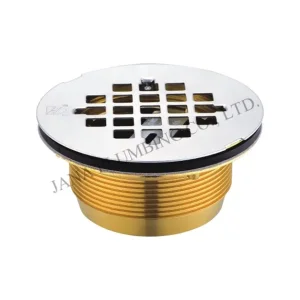
Engineered for unit-bath modules (UB), modern retrofit plumbing, and heavy-duty wet area drainage systems compliant with international structural resilience metrics.
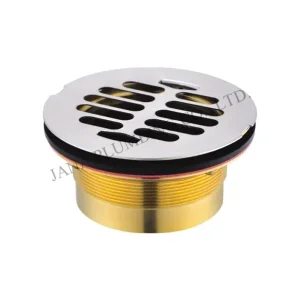
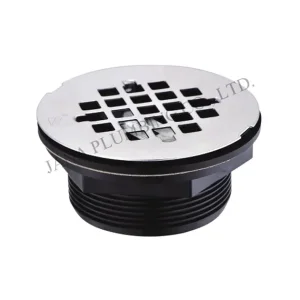
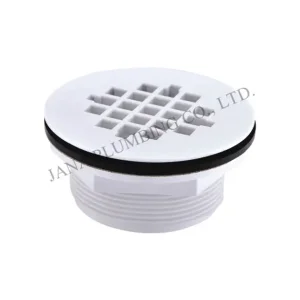
The Greater Tokyo Metropolitan Area presents one of the world's most intricate and demanding technical ecosystems for sanitary drainage systems.
In Tokyo, the architectural approach to wet areas differs vastly from typical North American or European layouts. Defined by high-density vertical living across districts like Minato, Shinjuku, Chiyoda, and Koto-ku, urban construction relies heavily on prefabricated modular bathroom capsules (Unit-Baths or UB units). These prefabricated assemblies demand hyper-accurate dimensional tolerances, ultra-low floor clearances, and exceptional hydraulic self-cleaning capabilities. A shower drain installed in a Tokyo residential tower is not just a fluid conduit; it is an engineered barrier against sewer backpressure, acoustic vibrations, and seismic structural shifts.
Furthermore, Tokyo is undergoing a monumental cycle of urban renewal. Ahead of stringent carbon-neutral targets and an aging national building inventory built during the 1980s bubble era, general contractors (Zenekon such as Shimizu, Kajima, and Obayashi) are converting tens of thousands of aging residential layouts into modern barrier-free apartments. Sourcing robust no-caulk shower drains and precision threaded brass couplings that allow dry, flame-free, solvent-minimized installation has become a strategic priority for developers seeking to reduce on-site labor overhead amid Japan's acute skilled-labor shortage.
How architectural shifts toward Off-Site Manufacturing (OSM) and sustainable lead-free metallurgy are redefining global procurement checklists.
Modern mega-projects in Tokyo, London, and New York assemble bathrooms off-site. Drains must feature foolproof dry-seal gaskets, rapid clamp rings, and ultra-durable flange bodies to eliminate on-site solvent curing delays and water-testing failures.
Global specifications mandate AB1953, NSF/ANSI 61, and ISO-compliant low-lead DZR (Dezincification Resistant) brass alloys. These materials resist chlorinated municipal water degradation and electrolytic corrosion over half-century building spans.
Procurement directors at commercial firms are abandoning cheap pressed scrap metal. The long-term costs of subsurface bathroom leakage far exceed the marginal initial investment required for hydrostatically tested, certified heavy-duty brass assemblies.
Mitigating geopolitical risk, tariff volatility, and raw material fluctuations through an agile, multi-plant manufacturing infrastructure.
Founded in 1998 in Zhejiang's plumbing heartland, our flagship facility leverages automated manipulator robotics, progressive stamping lines, closed-loop CNC machining, and automated optical inspection (AOI). Every brass melt undergoes spectrographic metallurgical analysis to guarantee alloy purity, zero porosity, and micron-level thread precision for mission-critical drainage projects.
Our 14,400 m² state-of-the-art manufacturing plant in Kabinburi Industrial Zone, Prachinburi Province provides institutional buyers with a qualified, duty-optimized second production origin. Sharing the exact same ISO 9001 and UPC tooling, this dual-hub setup guarantees uninterrupted continuity and freight flexibility across Asian supply lines including Tokyo Port and Yokohama Port.
For international trading desks and Japanese general contractors, the combined China-Thailand ecosystem represents the ultimate synthesis: Yuhuan's mature industrial component clustering paired with Thailand's advantageous bilateral trade pathways. This ensures predictable delivery schedules even during peak container freight constraints or trade tariff escalations.
Engineered to excel in high-traffic commercial spaces, tight residential multi-stories, and luxury hospitality venues.
In Tokyo's residential towers (Tower Mansions), space between subfloors is minimal. Our low-profile no-caulk drains and impact-resistant polymer assemblies fit restricted ceiling voids while providing superior sound attenuation against rushing water noise.
From modern hotels in Roppongi and Ginza to high-end boutique retreats, our solid brass drain assemblies and decorative electroplated finishes match designer aesthetic standards while withstanding thermal shock and aggressive mineral water conditions.
Japan leads the world in universal accessible living (Barrier-Free Architecture). Our flush-to-floor shower drains eliminate trip hazards, allowing curbless walk-in showers that comply with municipal welfare housing standards.
An authoritative guide for specifiers, MEP engineers, and commercial procurement departments.
| Specification Parameter | Solid Brass No-Caulk Drain | Engineered Polymer (PVC/ABS) | Stainless Steel Assembly |
|---|---|---|---|
| Primary Application | Commercial towers, luxury hotels, precast slab modules | Standard unit-baths, rapid residential conversions | Commercial kitchens, institutional sanitary spaces |
| Sealing Mechanism | Compression gasket (No torch, no caulk required) | Solvent weld socket or mechanical thread | Threaded mechanical joint with EPDM o-ring |
| Seismic Flexibility | High: Heavy-gauge walls withstand structural micro-shear | Moderate: Requires proper pipe expansion loops | Very High: Elastic modulus prevents rupture |
| International Approvals | UPC, cUPC, ISO 9001, ASME A112.18.2 | UPC, cUPC, CSA B125.2 compliant | ISO 9001, ASME, NSF certification suite |
| Life Expectancy | 50+ Years (Immune to de-zincification) | 25-30 Years (Corrosion-proof, cost-efficient) | 50+ Years (Grade 304/316 alloy options) |
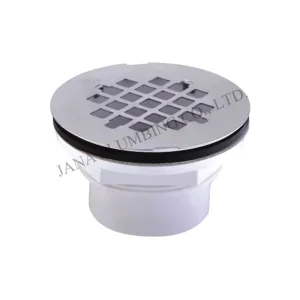
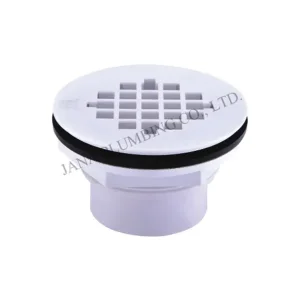
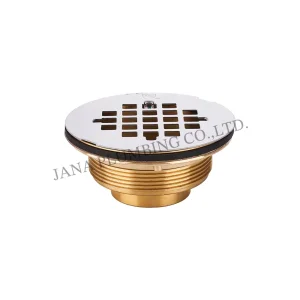
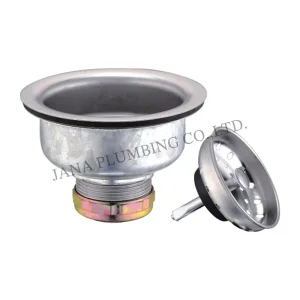
Fully compliant replacement baskets, heavy polymer shower drains, stainless strainers, and precision meter couplings for wholesale distributors serving Tokyo.
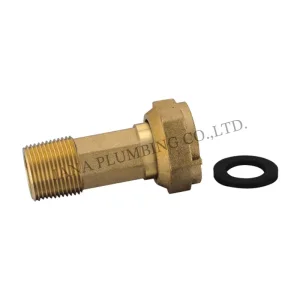
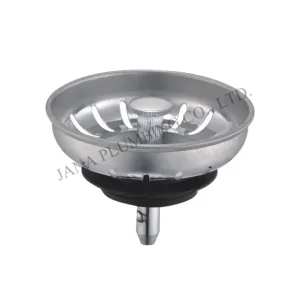
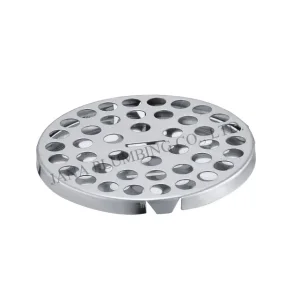
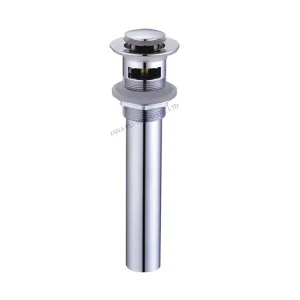
Clear answers on regional compliance, dual-hub logistics, minimum orders, and customization capabilities.
Partner with an established manufacturer trusted since 1998. Request technical submittals, factory audits, or custom tooling quotes directly from our engineering team.